
If you have oily or acne-prone skin, you’ve probably been told to keep oil off your face. It’s one of the most stubborn bits of bad skincare advice going.
The truth is fussier than that. Some plant oils sit light, sink in fast, and leave your pores alone. Others are heavy, slow and much more likely to clog. The trick is knowing which is which.
So, we’re covering thirteen oils that are considered non-comedogenic, grouped by the skin type they actually suit. It also gets into why the famous 0 to 5 comedogenic scale is shakier than it looks.
Contents
What does non-comedogenic mean?
Non-comedogenic means a product is unlikely to block pores. Comedones are clogged pores, and they show up as blackheads when open and whiteheads when closed.
A non-comedogenic oil is one that absorbs reasonably well without leaving a heavy occlusive film behind.
The word is doing a lot of quiet work, though. There’s no legal definition and no required test, so a brand can print it on a bottle without having proved a thing.
To compare ingredients, the industry leans on a scale from 0 to 5.
| Rating | What it is taken to mean |
|---|---|
| 0 | Very unlikely to clog pores |
| 1 | Low chance of clogging pores |
| 2 | Moderately low chance |
| 3 | Moderate chance |
| 4 | Fairly high chance |
| 5 | Highest chance |
The usual advice is that 0 to 2 suits most skin, 2 to 3 is a maybe, and 4 to 5 is best avoided if you clog easily. That’s a fair starting point.
While the comedogenic scale gives you a general idea, individual skin sensitivity and other factors can influence how an ingredient affects your skin.
How accurate are comedogenic ratings?
I went looking for the source of these numbers, expecting a database and a standard test. That isn’t what’s there.
Almost every chart traces back to two places: dermatologist Albert Kligman’s work in the 1970s and ingredient lists James Fulton published in 1989. The method was the rabbit ear assay, where ingredients sat inside rabbits’ ears for two weeks before the follicular changes were scored.
What struck me is how rarely the charts republishing those numbers explain where they came from.
Three things go wrong when you use that data to choose a face oil:
Rabbit skin isn’t human skin. Kligman and Mills later built a human testing model in 1982, and the results undercut the earlier method. Rabbit ears were far more sensitive, and several strong rabbit comedogens produced little or no clogging in people.
The ingredients were tested neat. Nobody applies most raw ingredients at full strength. Acetylated lanolin alcohol, for example, scores 4 to 5 at 100 percent but drops to 1 at 2.5 percent. The rating describes the dose as much as the ingredient.
Contact time matters. An oil rinsed off in a cleanser behaves nothing like the same oil left on overnight, yet a single number makes no distinction between them.
The most useful thing I found was a 2025 review in JAAD Reviews. It concludes that rabbit-ear results do not consistently predict what happens on human skin and that finished products need standardized human testing.
Even Kligman and Mills, who originally developed this model, later acknowledged challenges with its application to human skin.
Four decades on, there is still no universal industry standard behind a non-comedogenic claim. Testing practices vary, so the wording on a bottle is not a guarantee.
I’m not telling you to dismiss the ratings. A 4 still deserves more caution than a 0, and I used them as a first filter for this list. But they are not a verdict. That also explains why argan appears as 0 on some charts and 2 on others.
Cosmetic chemist Michelle Wong’s fact check on comedogenicity ratings covers the same ground in more technical detail.
Now, on to the oils.
What to look at instead of the comedogenic rating…
Here’s what I’d use instead, or at least alongside the ratings. Look at what the oil is mostly made of.
Plant oils are largely fatty acids, and two of them do most of the deciding.
Linoleic acid is light and thin. Oils high in it feel almost dry once they sink in.
Oleic acid is heavier and more occlusive. Oils high in it feel richer and linger on the surface.
This is where it may matter for breakouts. Research has found altered sebum composition and lower linoleic acid levels in people with acne. Lower linoleic acid has also been linked to changes in follicular ceramides and barrier function. That does not prove that applying a linoleic-rich oil will treat or prevent acne, but it helps explain why fatty-acid composition is worth considering.
So, translated into something usable.
- Oily or congestion-prone skin may prefer lighter, linoleic-rich oils such as hemp seed, sunflower, grapeseed and rosehip.
- Dry or dehydrated skin may prefer richer, oleic-rich oils such as camellia, sweet almond and argan.
- A fatty-acid profile cannot predict individual reactions, so introduce one oil at a time and watch how your skin responds.
A low rating and a good match aren’t the same thing. Sweet almond oil is rated 2 and it’s lovely, but it’s about 70 percent oleic acid, so it suits dry skin far better than an oily T-zone.
Non-comedogenic oils compared
| Oil | Rating | Dominant fatty acid | How it feels | Best suited to |
|---|---|---|---|---|
| Hemp seed | 0 | Linoleic | Light, dry finish | Oily, acne-prone |
| Sunflower seed | 0 | Linoleic | Light, absorbs fast | Oily, sensitive, weak barrier |
| Grapeseed | 1 | Linoleic | Light, silky | Oily, congested |
| Rosehip seed | 1 | Linoleic and linolenic | Light, absorbs fast | Oily, uneven tone, fine lines |
| Blueberry seed | 0 to 1 | Linoleic and linolenic | Light | Most skin, mature |
| Prickly pear seed | 1 to 2 | Linoleic | Light, silky | Oily, mature |
| Jojoba | 2 | Wax esters | Light, faintly waxy | Most skin, oil-balancing |
| Neem | 1 to 2 | Oleic | Thick, strong smell | Blemish-prone, dilute first |
| Argan | 0 to 2 | Oleic and linoleic | Medium weight | Dry, mature |
| Camellia | 1 | Oleic | Light for an oleic oil | Dry, mature |
| Baobab | 2 | Oleic and linoleic | Light but slow to sink | Dry, dehydrated |
| Sweet almond | 2 | Oleic | Light, silky | Dry, sensitive |
| Tamanu | 2 | Oleic and linoleic | Thick, nutty smell | Scarring, irritated skin |
Best non-comedogenic oils for oily and acne-prone skin
The linoleic-rich, low-rated picks. If you break out easily and you’re trying a facial oil for the first time, start here.
Hemp seed oil

If I had to pick one oil for congested skin, this would be it. Hemp seed oil is roughly 55 percent linoleic acid with another 20 percent linolenic, which is about as close to ideal for oily skin as plant oils get.
Its mix of omega-3 and omega-6 fatty acids gives oily skin useful nourishment without much weight. Best of all, it dries down almost matte, so it never reads greasy on skin already making plenty of its own oil.
Hemp seed oil isn’t CBD oil, by the way. It’s pressed from the seeds and contains no meaningful cannabinoids.
Rating: 0
Texture: Light and fast-absorbing with a nearly dry finish.
Watch out for: It oxidizes quickly, so buy a small bottle and store it away from heat and light.
Sunflower seed oil
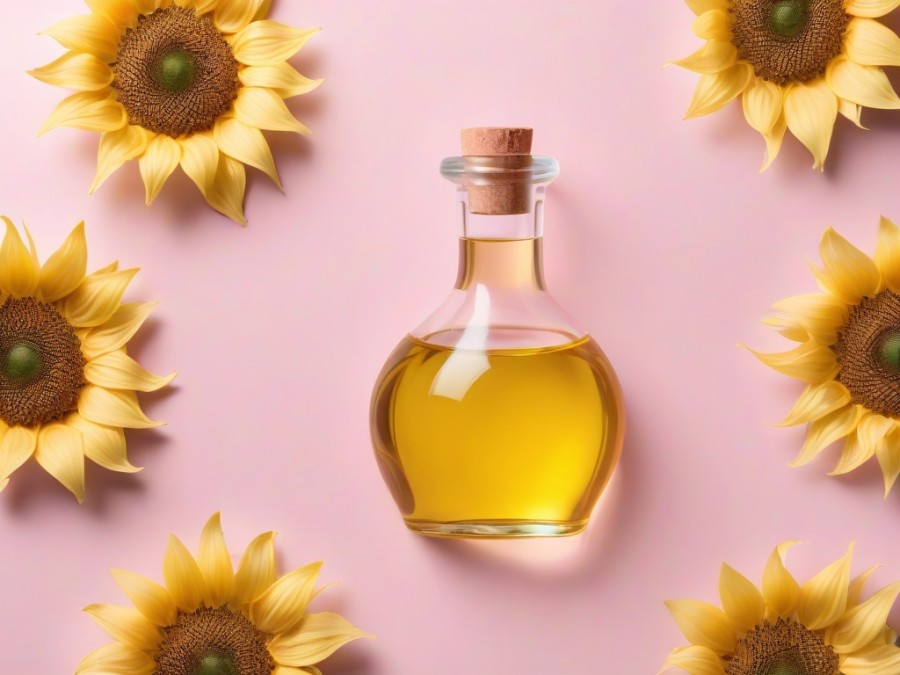
The most underrated oil here, and one of the cheapest. Cosmetic-grade sunflower seed oil runs 60 to 70 percent linoleic acid, which is why it turns up so often in barrier repair research.
It’s loaded with vitamin E and beta-carotene, and it actually strengthens barrier function rather than just sitting on top. That makes it a smart pick if your skin is oily and irritated at once, which happens a lot when you’re using actives.
Rating: 0
Texture: Light, fluid and quick to absorb.
Watch out for: Choose cosmetic-grade, high-linoleic sunflower oil rather than the heavier high-oleic cooking variety.
Grapeseed oil

Around 70 percent linoleic acid, the highest on this list, and it feels it. Silky, thin, gone in seconds. Perfect for oily skin.
This oil contains vitamin E and plant polyphenols, with little clinical evidence that pure grapeseed oil fades post-acne marks.
Its light slip also works well for facial massage without leaving a greasy finish.
Rating: 1
Texture: Thin, silky and fast-absorbing.
Watch out for: It oxidizes quickly, so buy a small bottle and keep it somewhere cool and dark.
Try Handcraft Blends 100% Pure Grapeseed Oil
Rosehip seed oil
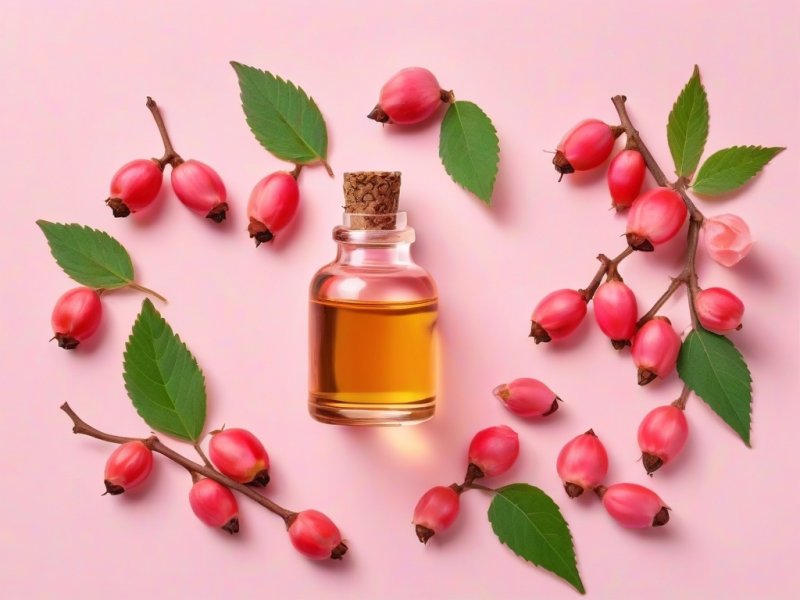
Rosehip seed oil is high in linoleic and linolenic acids and contains tocopherols and carotenoids. Its exact composition varies by species, extraction method and storage.
Small studies have explored rosehip preparations for scars, pigmentation and signs of photoaging. However, it’s not a substitute for a clinically tested retinoid. Its light texture also makes it useful as a cleansing oil or gentle makeup remover.
Check you’re getting rosehip seed oil rather than rosehip fruit oil. They aren’t the same thing and the seed oil is the one you want.
Rating: 1
Texture: Light, smooth and quick to sink in.
Watch out for: It oxidizes quickly, and rosehip seed oil is not the same as rosehip fruit oil.
Blueberry seed oil
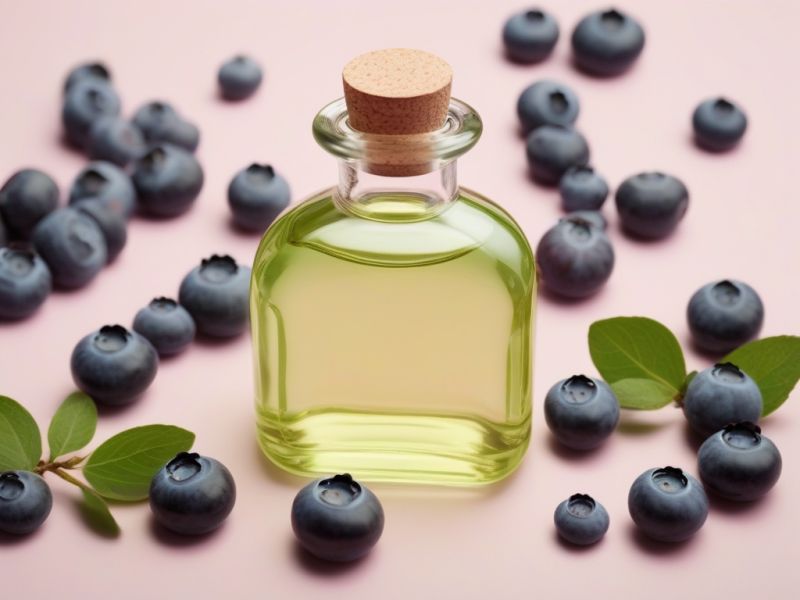
Still a newcomer on shelves. Light, skin-softening fats in this elixir help keep moisture in without feeling heavy. The exact balance can vary between products.
In lab tests, cold-pressed berry seed oils showed antioxidant activity. That doesn’t prove blueberry oil erases lines, but it makes it an interesting option for mature skin that still congests without the heavy, waxy finish.
A nice fact: the oil can be pressed from tiny seeds left after blueberries are made into juice, turning a food-industry by-product into a useful skincare ingredient.
Rating: 0 to 1
Texture: Light and weightless with little residue.
Watch out for: It can be harder to find, and its high polyunsaturated-fat content makes careful storage important.
Try Botanical Beauty Blueberry Seed Oil
Prickly pear seed oil
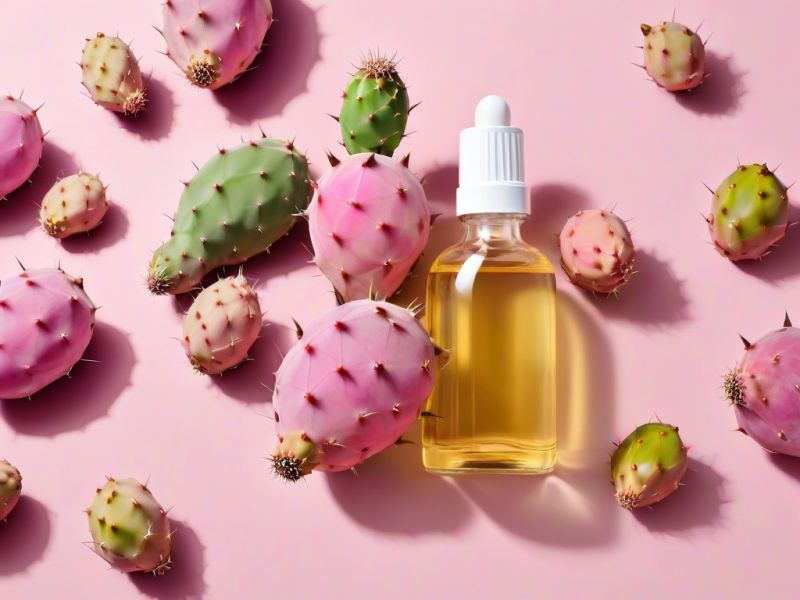
The priciest oil here, and the reason is simple arithmetic. It takes an enormous amount of fruit to press a very small amount of oil.
Prickly pear oil is often rich in linoleic acid, tocopherols, phytosterols and phenolic compounds, although percentages vary by cultivar and extraction method. Laboratory testing has documented antioxidant and antimicrobial activity, but direct clinical evidence on facial skin remains limited.
The texture is the real pleasure, light and slippy rather than rich.
Rating: 1 to 2
Texture: Light, silky and pleasantly slippery.
Watch out for: It is expensive, so check the ingredient list carefully to make sure you are buying pure prickly pear seed oil.
Try Fatima’s Garden Prickly Pear Seed Oil
Jojoba oil
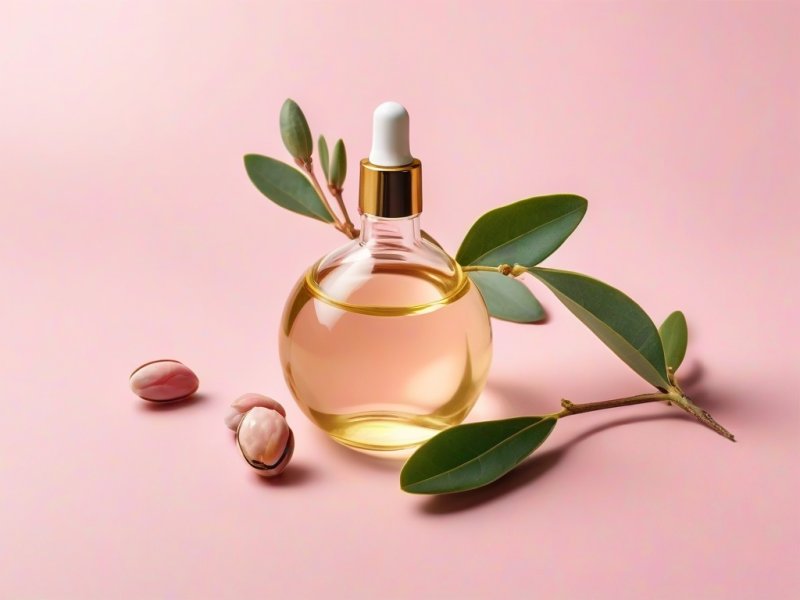
Jojoba is the odd one out, which is exactly what makes it useful. It isn’t really an oil but a liquid wax made of wax esters, and those esters closely resemble the ones in human sebum.
Its wax esters help explain its smooth, relatively stable texture. It works mainly as an emollient that softens skin and reduces moisture loss. Early research also suggests it may support skin firmness. A review in the International Journal of Cosmetic Science discussed jojoba alongside sweet almond and evening primrose, while noting that the quality and amount of clinical evidence vary by oil and condition.
It’s rated 2, higher than several oils here, and it’s still one of the most reliably well tolerated oils you can buy.
Rating: 2
Texture: Light and smooth with a faint waxy finish.
Watch out for: Its faintly waxy finish may still feel too noticeable if you prefer completely dry-touch oils.
Neem oil
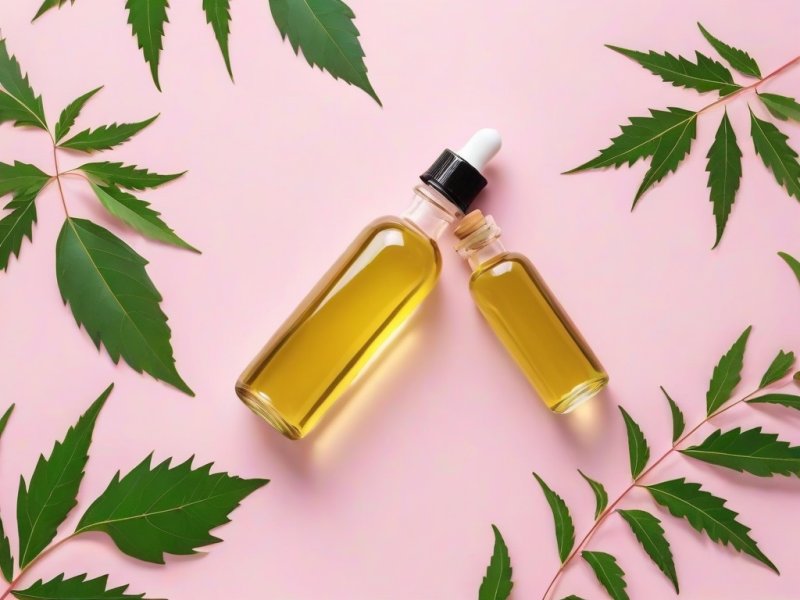
Neem earns its spot on chemistry rather than texture, because it is oleic-dominant and quite heavy. Neem compounds have shown antimicrobial activity related to acne in lab research. Human evidence for treating acne is still limited, but diluted neem may be useful to a routine.
The smell is a bit powerful. Neem is also strong enough to irritate if you use it neat, so dilute it into something lighter like jojoba before it goes near your face. Treat it as a targeted oil, not an all-over moisturizer.
Rating: 1 to 2
Texture: Thick, heavy and slow to absorb.
Watch out for: Its strong smell and irritation potential—dilute it with a lighter carrier oil before facial use.
If breakouts are why you’re here, read this alongside my guide to preventing summer acne, since heat and humidity change what your skin will tolerate.
Best non-comedogenic oils for dry and mature skin
Oleic-rich or balanced oils with low ratings. They’re richer and they linger, and that’s the point.
Argan oil
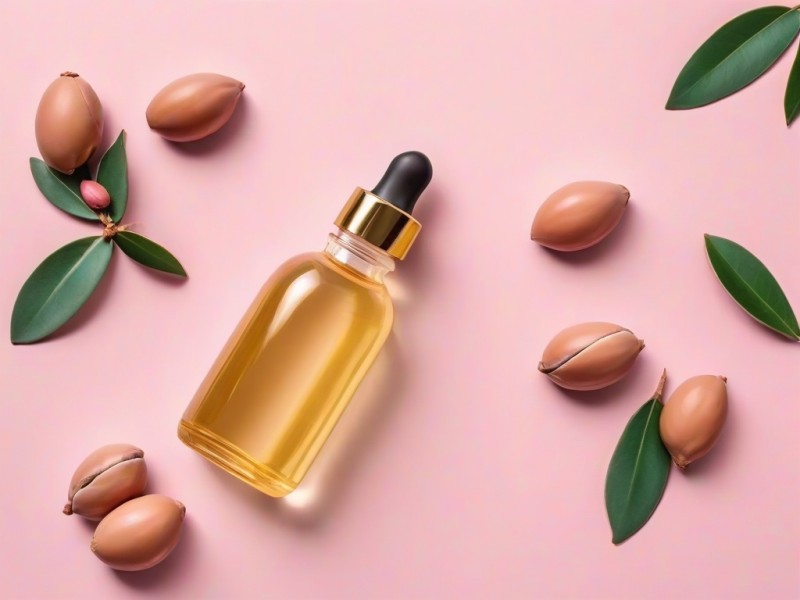
Argan sits at roughly 45 percent oleic and 35 percent linoleic acid, which puts it pleasantly in the middle, and it’s loaded with vitamin E and polyphenols.
It moisturizes, has some antibacterial action and seems to help moderate sebum, which is an unusual combination. The strongest evidence is for elasticity. A study in postmenopausal women found daily topical use improved measured skin elasticity over 60 days.
Most people tolerate it well. If you clog easily, patch test it rather than trusting the low number.
Rating: 0 to 2, depending on the source
Texture: Medium-weight, smooth and nourishing.
Watch out for: Its medium weight may feel too rich on a very oily T-zone.
Camellia oil
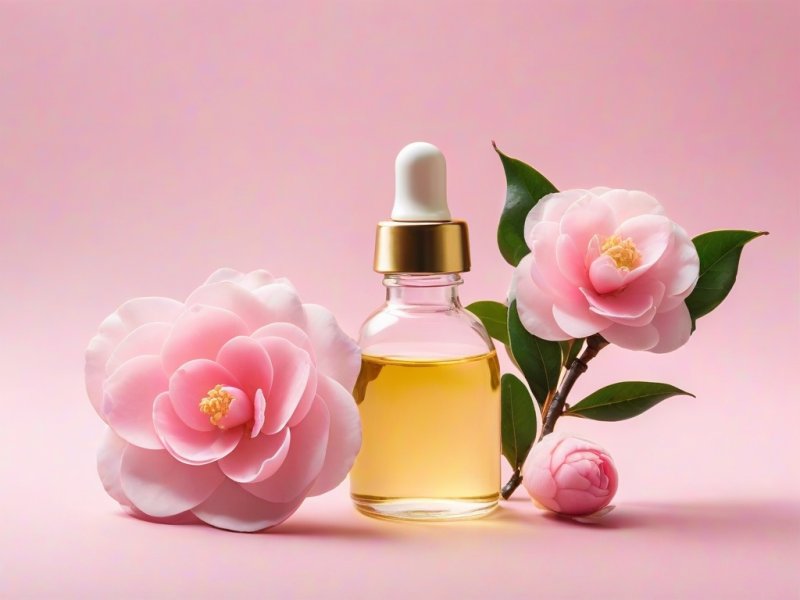
A staple in Japanese skincare for centuries, Camellia is around 80 percent oleic acid, so it’s firmly a dry-skin oil, but it absorbs far better than that number suggests.
Its profile is close to olive oil, yet it feels much less greasy and sinks in faster. Laboratory research has explored its antioxidant and antiaging potential, but strong clinical evidence that pure camellia oil reduces fine lines is limited. See the original review for context.
If you’ve tried olive oil on your face and found it too much, try this instead.
Rating: 1
Texture: Silky and relatively light despite its high oleic-acid content.
Watch out for: It may still feel too rich for very oily or congestion-prone skin.
Baobab oil
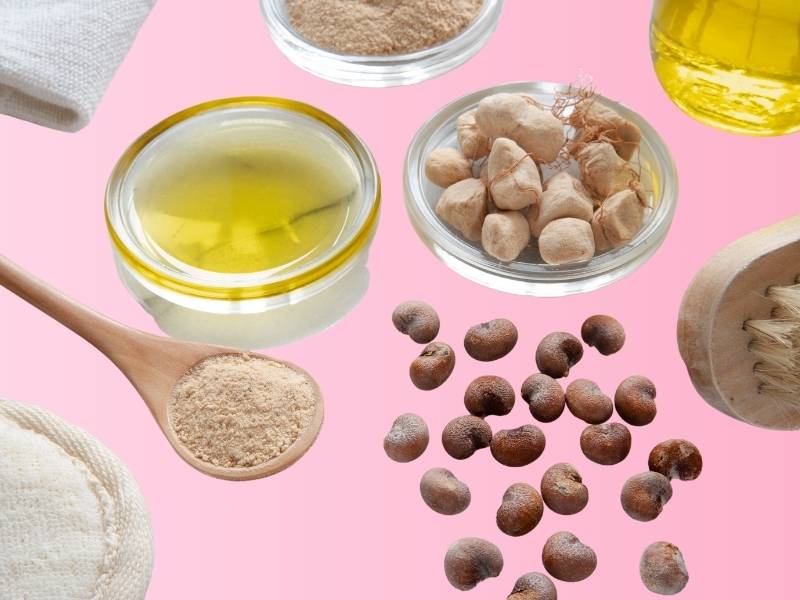
Baobab oil is balanced between oleic, linoleic and palmitic acid.
It’s particularly good at slowing water loss, which makes it a strong pick for skin that feels dehydrated rather than simply dry. Despite that richer job, it goes on lighter than you might expect.
Its palmitic acid content makes it a less obvious choice if you break out easily. Lovely on dry skin, less reliable on an oily T-zone.
Rating: 2
Texture: Light at first but slower to absorb completely.
Watch out for: Its palmitic-acid content and richer finish may not suit an oily or easily congested T-zone.
Best non-comedogenic oils for sensitive or irritated skin
Gentle, low-stimulus oils for skin that reacts to most things.
Sweet almond oil
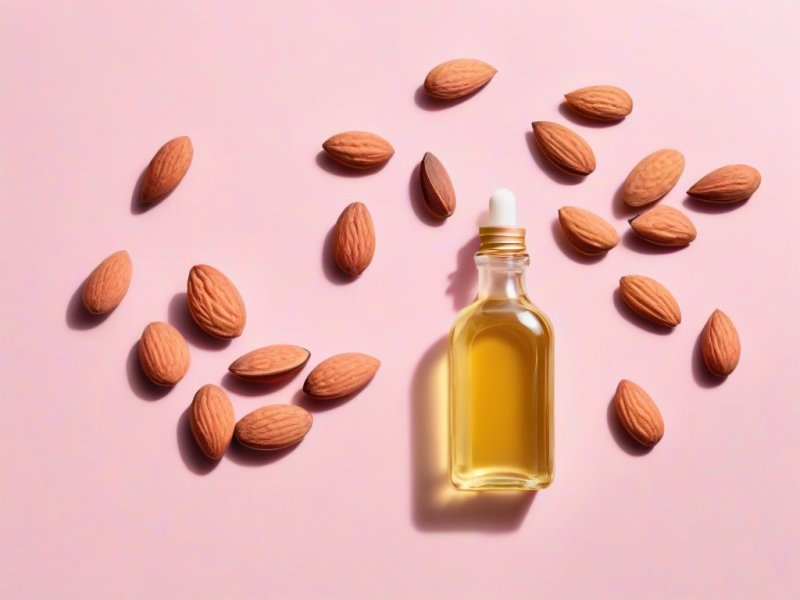
Gentle, cheap and extremely well tolerated. Sweet almond oil contains vitamins A, B and E, and it’s one of the classic picks for dry and sensitive skin.
It supports the barrier and helps maintain skin suppleness, and it’s mildly anti-inflammatory, which is why it shows up so often in products for eczema-prone skin.
At roughly 70 percent oleic acid, it is a better fit for dry skin than an oily T-zone. Its silky slip also works well for facial massage.
Rating: 2
Texture: Light, silky and softly emollient.
Watch out for: Avoid it if you have a nut allergy, and patch test if your skin is oily or easily congested.
Tamanu oil
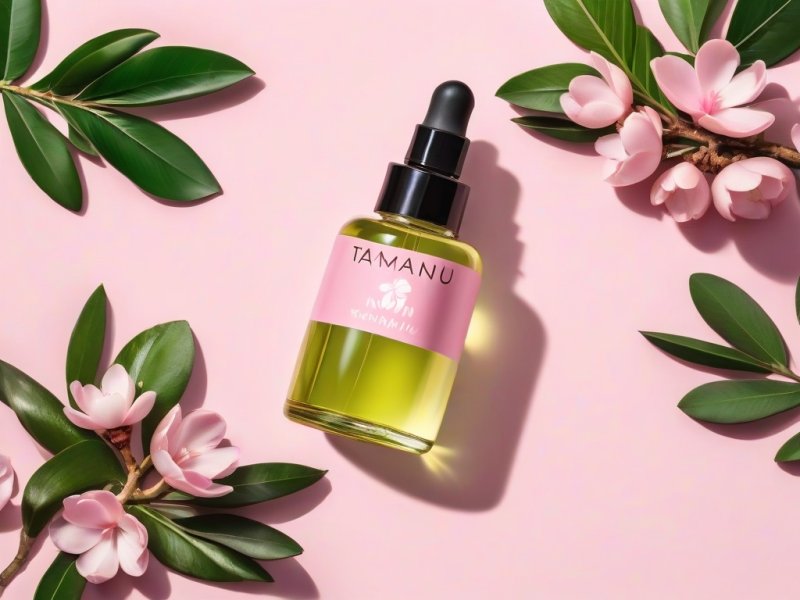
Tamanu is thick, dark green, distinctly nutty, and unusually good at calming skin that’s inflamed or healing.
It’s balanced between oleic and linoleic acid. Early research suggests it may calm inflammation and support healing.
It’s heavy, so use it thinly or blend it out. It also comes from a nut, so treat it with the same caution as almond oil.
Rating: 2
Texture: Thick, rich and slow to absorb.
Watch out for: Its strong scent, heavy feel and potential concern for people with nut allergies—use it sparingly and patch test first.
How to choose a facial oil
Before you buy, check a few things.
- Look for one pure oil without added fragrance or essential oils.
- If you’re buying sunflower oil, choose the high-linoleic type for a lighter feel.
- Pick a small, dark bottle with a clear expiry or batch date.
- Don’t assume “natural,” “organic” or “cold-pressed” means it won’t clog pores.
- Buy one oil at a time so you can tell how your skin responds.
- If your skin is sensitive, patch test before using it across your face.
How to use non-comedogenic oils
Cleanser
Oil cleansing dissolves makeup, sunscreen and the day’s sebum. Massage a small amount into dry skin for a minute or two, then follow with a gentle water-based cleanser and rinse with lukewarm water.
If you’re new to it, my step-by-step guide to using cleansing oil covers the method properly, and there are DIY cleansing oil recipes if you’d rather blend your own. Prefer a ready-made formula? These Korean cleansing oils for every budget are a useful place to start.
Moisturizer
If you’re new to face oil, start with two or three drops, two or three nights a week. Press it into slightly damp skin after your serum.
Order matters more than people think. Oil goes near the end, either on top of your moisturizer or instead of it if your skin feels comfortable. If you need both, start with a moisturizer suited to your skin type and press the oil over it.
Face mask
Stir two or three drops of a lighter oil into a clay or cream mask before you apply it. Clay pulls moisture out as it dries, and a little oil offsets that, so this is the fix if clay masks normally leave your skin feeling tight.
How to patch test a new oil properly
It takes two minutes and saves you weeks of guessing.
- Put a small amount somewhere discreet, like the inner forearm or just in front of the ear.
- Leave it 24 hours and check for redness, stinging or itching. This screens for irritation and allergy, not clogged pores.
- If nothing happens, move to one cheek or a strip along the jaw and use it there for a week.
- Then take it to your whole face.
The two stages exist because irritation shows up in a day and congestion takes weeks. A 24 hour arm test tells you the oil won’t make you react but nothing about whether it’ll clog.
How to tell whether an oil is breaking you out
Irritation or an allergic reaction can appear within hours or days, while clogged pores may develop more gradually. If you notice persistent itching, burning, swelling or a clear increase in bumps where you applied the oil, stop using it rather than waiting four to six weeks.
What to look for if it really isn’t working.
- Small, uniform, closed bumps in clusters across the areas you applied it, usually forehead, outer cheeks and jaw. That pattern means congestion.
- A slow creep of whiteheads rather than sudden inflamed spots.
- Skin that looks bumpy in side lighting even where there’s no visible spot.
Probably not the oil. One or two large tender spots, anything that flares within 48 hours, or breakouts on your chin that track your cycle.
If you do stop, change one thing at a time. Pull the oil, keep everything else identical for a month, then reassess. And if congestion is a running theme, a salicylic acid cleanser will do more for you than any choice of oil.
How to store face oils so they do not go rancid
This matters most for exactly the oils recommended for acne-prone skin.
High-linoleic oils like grapeseed, rosehip, hemp and sunflower contain more polyunsaturated fatty acids, which are relatively prone to oxidation.
Rancid oil develops a stale, paint-like, crayon-like or nutty smell and can be more irritating, so discard it when its scent, color or texture changes.
A few habits that help.
- Buy bottles small enough to finish in three to six months.
- Choose dark glass over clear glass or plastic, and a dropper over an open neck.
- Keep them in a cupboard, not on a sunny windowsill or a steamy bathroom shelf.
- Refrigerate rosehip, grapeseed and hemp if your climate is warm.
- Smell before you apply. If it’s turned, bin it.
Oils that are more likely to clog pores
These sit high on the comedogenic scale, so keep them off your face if you clog easily. Reported ratings vary between sources, so treat them as ranges.
| Oil or butter | Reported rating |
|---|---|
| Wheatgerm oil | 5 |
| Soybean oil | 4 to 5 |
| Coconut oil and butter | 4 |
| Cocoa butter | 4 |
| Palm oil | 4 |
| Flax seed oil | 4 |
| Marula oil | 3 to 4 |
| Carrot seed oil | 3 to 4 |
| Moringa oil | 3 to 4 |
| Cottonseed oil | 3 |
Coconut oil is the one that catches people out, because it’s everywhere and it’s genuinely great on the body. On the face it’s a common trigger for congestion, and organic or cold-pressed makes no difference to that.
Remember that these numbers describe the ingredient neat. Coconut oil at two percent inside a well-formulated cleanser is a completely different proposition from coconut oil out of the jar.
How I chose these oils
Three criteria. Each oil has a reported comedogenic rating of 2 or below across the commonly cited sources. Each has a documented fatty acid profile, so the skin-type advice rests on composition rather than marketing. And each is easy to buy as a single-ingredient cold-pressed oil.
Where sources disagree on a rating, you’ll see the range rather than one tidy number. Where a claim rests on research, the study is linked so you can read it yourself.
Frequently asked questions
Possibly. Oil softens skin and slows water loss, but it doesn’t provide the water-based hydration found in a moisturizer. If your skin still feels tight, use both.
Usually. Apply water-based treatments first and oil near the end of your routine. Benzoyl peroxide and retinoids can be drying, so use the oil after moisturizer rather than mixing them together, and scale back if irritation develops.
It depends on the oil, its concentration and any added ingredients. Check the full label—especially for essential oils—and ask your obstetric clinician if you’re unsure.
Often, but not always. Squalane is light, stable and more uniform than most plant oils, which can make it easier for congestion-prone skin to tolerate. The finished formula still matters, so patch test it like anything else.
Yes. Mix one drop with a single application in your palm, not inside the moisturizer jar. Layering the products separately is even easier if you want to judge how much oil your skin actually needs.
Yes, but keep it light. Use one or two drops, let them settle, then apply sunscreen as your final skincare step. If makeup pills or slides, save the oil for nighttime.
You might need to. A light oil can feel comfortable in humid weather, while a richer one may suit dry winter air. Let tightness, shine and congestion guide you rather than using the same oil all year.
Sometimes, but oil is not a treatment for either condition. Choose a simple, fragrance-free product, patch test carefully and avoid experimenting during an active flare. Ask a dermatologist if your skin is cracked, painful or persistently inflamed.
Be cautious. Fungal acne usually means Malassezia folliculitis, which is different from ordinary acne, and some plant oils can aggravate it. If the bumps are small, uniform and itchy, get a proper diagnosis before adding an oil.
Pure face oil should not cause purging because it does not speed up skin-cell turnover. New bumps are more likely to be congestion or irritation, especially if they appear only where you applied the oil. Stop using it and let your skin settle.
No. Carrier oils are fatty plant oils such as jojoba or sunflower that form the base of a blend. Essential oils are concentrated aromatic extracts and can be irritating, so they should not be used neat or treated as substitutes for facial oil.
The bottom line
Oil isn’t the enemy of oily skin. The wrong oil is.
If you take one thing from this, choose by how your skin behaves. Oily or congestion-prone skin may prefer hemp seed, sunflower or grapeseed. Dry skin may prefer camellia or argan, while sensitive skin should prioritize simple, fragrance-free formulas and careful patch testing.
Pick one oil from the group that matches your skin and buy the smallest bottle you can find. Start two or three nights a week, increase gradually if your skin stays comfortable, and judge congestion over several weeks.
So which one are you trying first? Or has an oil ever surprised you by breaking you out?

Hi Mariyam I really enjoyed reading your article. I learnt a lot about oils and their properties. Thank you keep it up.
Thank you so much Mariyam for this extensive and well-researched information on oils that do not clog pores! I have a teenage adolescent who is experiencing acne and this knowledge will help me make the right choices to help correct her condition. I will use the anti-aging oils for myself! Thanks again!