
If you want to fade acne scars, smooth out fine lines, or just get that glowing complexion, at-home microneedling has likely crossed your radar.
While clinical treatments cost hundreds of dollars per session, modern dermapens make it easier than ever to get professional-grade results right at home.
However, choosing the right device can feel confusing with so many different models available online, especially on Amazon.
To help you skip the confusion of unregulated online listings, this guide features the very best microneedling pens on the market currently in terms of ease of use, motor power, and safety features.
Contents
What’s the best Microneedling Pen on the market currently?
Let’s dive into these top-rated devices available online.
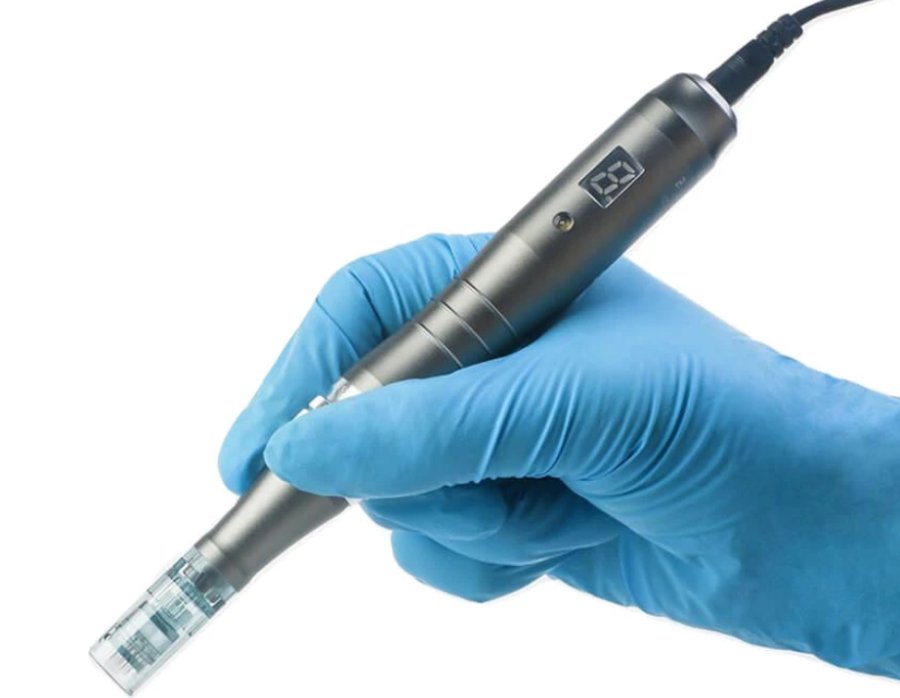
1. Dr. Pen M8s (Gold standard for home use)
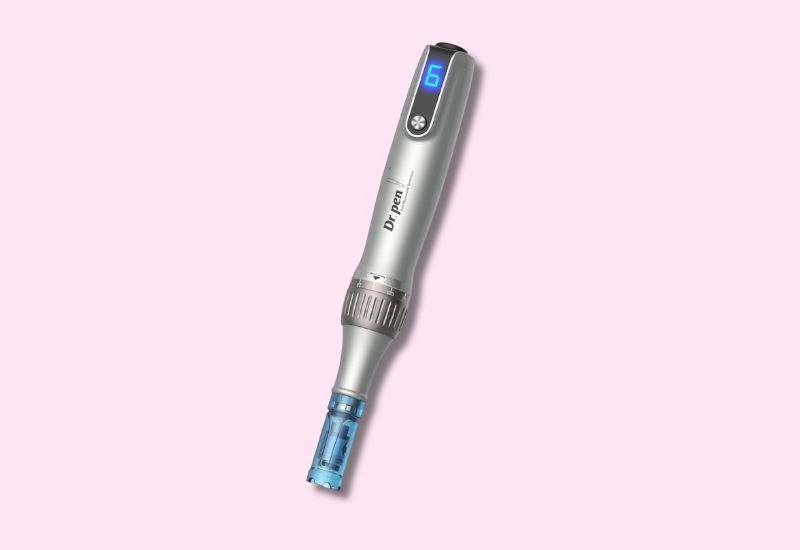
Features
- Clear LED display shows active speed level and the amount of battery left
- Ultra-fine, high-grade surgical needle tips
- Backflow prevention makes sure serums cannot damage the motor
- Adjustable dial
- Dual-power mode works beautifully whether plugged into the wall or used cordless
According to the reviews…
M8s is a massive upgrade over older, basic models. The clear LED screen takes away all the guessing about battery life, so you don’t have to worry about the device dying mid-treatment.
The ultra-thin 33-gauge high-grade needles measure a tiny 0.18mm across. This fine design makes the process very gentle and far less painful than expected.
The adjustable dial lets you change needle depth on the fly from 0.25 to 2.5 mm.
Overall, the solid build quality, minimal hand vibration, and smooth glide make this model a top recommendation for getting consistent results at home.
The only real headache is that finding official replacement cartridges on Amazon can sometimes be a hassle due to frequent stock shortages.
Best for
At-home skincare enthusiasts interested in a modern, highly effective device with a digital interface.
Pros
- Ultra-fine needles speed up skin recovery
- Dual-mode design supports corded or cordless operations
Cons
- Cartridges occasionally suffer from retail stock shortages
2. Derminator 2 (The Clinical Powerhouse)
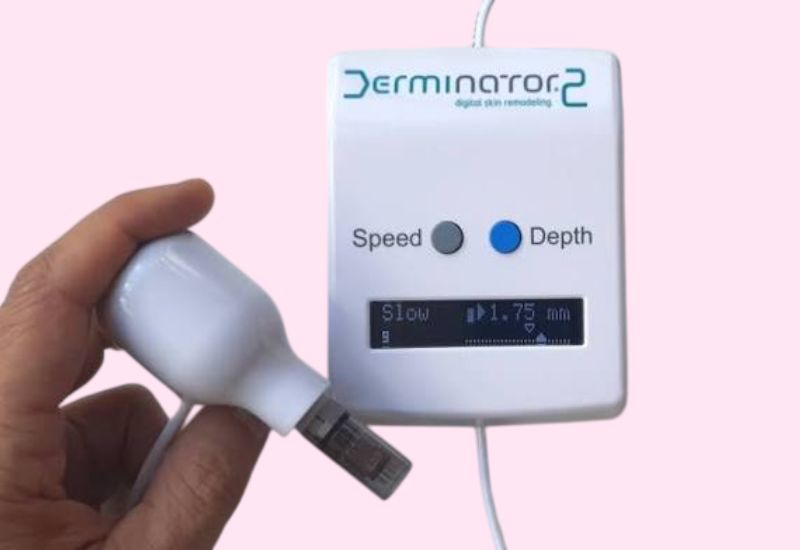
Features
- Linear actuator motor drives needles vertically at a perfect 90° angle
- Microsecond dwell time minimizes skin contact time to prevent dragging or tearing.
- Wired power connection
- Microprocessor adjustment eliminates any manual dial mistakes
- Crafted with durable, clinical-grade materials meant to last for years.
According to the Reviews…
Derminator 2 has a cult-classic status for severe scar revision.
The constant, direct wall-power delivery ensures the motor never drops in speed or punching power mid-treatment, a common issue with battery-operated models.
This device uses a high-force linear punch rather than a standard vibrating rotary motor that drives the needles in and out of the skin quite fast. This resolves the painful dragging or scratching issues common with weaker pens.
It’s especially effective for deep, pitted acne scars and stubborn stretch marks. However, the industrial appearance, heavy design, and loud mechanical hum can feel intimidating for beginners.
Fortunately, sourcing official replacement cartridges is affordable and easy, and this balances out the upfront machine cost.
Best for
Experienced users treating deep atrophic acne scars or stretch marks who appreciate mechanical precision.
Pros
- True, precise depth settings with zero risk of tearing skin
- High-quality materials make it last longer than most pens
- Extremely cost-effective replacement cartridges
Cons
- Heavy external design and short cord limit portability
3. Dr. Pen A11 Ultima Pro (Premium and High-tech)
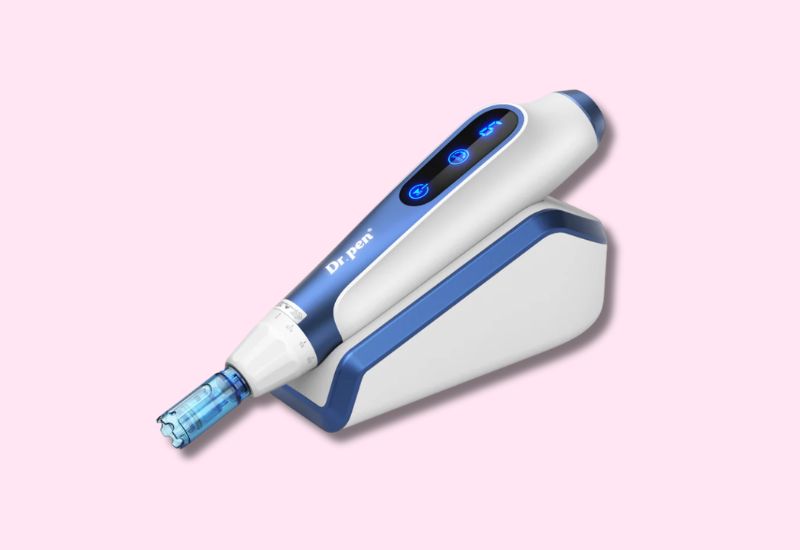
Features
- Offers both wired and wireless usage options
- Large LED control screen for clear visibility of settings
- 6 adjustable speed levels that can reach up to 15,000 rpm
- A variable needle depth gauge ranging from 0 to 2.5mm for customized treatments
According to the Reviews…
A11 is made for both professionals and home skincare enthusiasts—this microneedling tool is incredibly beginner-friendly. Even if you’re totally new to the process, just take your time to educate yourself and you’ll do great!
The pen is attractive, lightweight, and comfortable to hold, featuring an ergonomic anti-slip grip for steady control. The battery lasts 3 to 4 hours on a single charge or you can use it while charging, too.
You’ll appreciate the bright, easy-to-read display and the remarkably simple power and speed controls. Plus, the cartridges use a wavy contact surface to effectively boost serum absorption.
This device is completely reliable and totally user-friendly, which gives you all-out confidence of performing your cosmetic treatments as safely as possible.
Best for
Professionals and skincare enthusiasts wanting a reliable, highly capable tool with abundant accessories.
Pros
- Comes with an intuitive inductive charging base for added convenience
- Built with advanced safety features, including a backflow protection membrane
- Each needle piece is individually sealed to maintain strict single-use hygiene
Cons
- The sensitive power button can be accidentally triggered, though it’s a minor quirk you quickly learn to be mindful of
4. Dermapen HOME by DermapenWorld
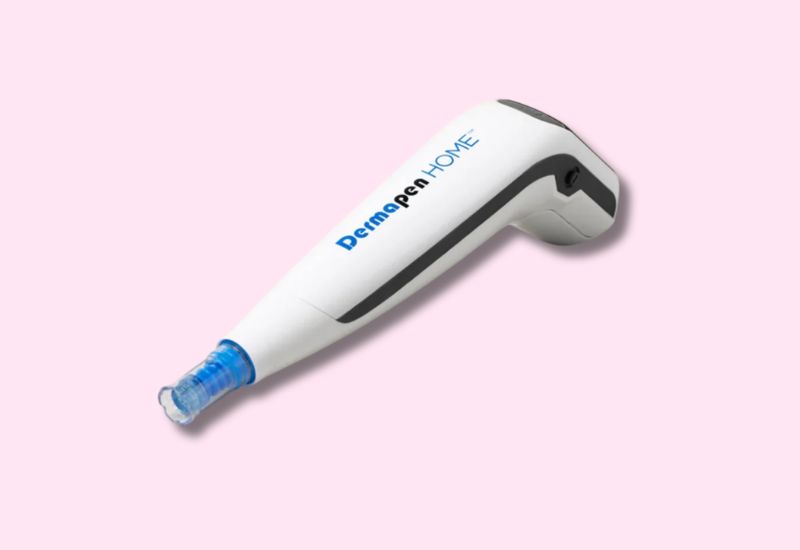
Features
- The safe 0.5 mm limit restricts the maximum needle depth
- The vertical oscillation motor
- Fluid guard barrier prevents serums and liquids from entering the pen machinery
- Ultra-sharp steel needles
- Ergonomic shape
According to the Reviews…
This premium microneedling pen is the absolute safest option on the market. It costs around $899.
The luxurious, heavy feel of the device and the remarkably quiet, vibration-free motor operation are something truly admirable. It fits perfectly in the hand for an easy, slip-free experience.
High-grade surgical steel tips assure a clean, quick healing process.
The strict 0.5mm depth limit gives massive peace of mind, especially for microneedling beginners who are nervous about treating delicate, sensitive facial areas at home. So, zero chances of accidental scarring.
However, the purchase cost is initially steep, along with expensive brand-specific replacement cartridges that can strain long-term beauty budgets.
Best for
Beginners who prefer clinical safety and want comfortable, quiet home treatments
Pros
- Built-in physical safety limits protect the skin from over-penetration
- Glides smoothly across the skin without causing micro-tears
- High-end motor engineering ensures minimal hand vibration
Cons
- High upfront price and costly replacement tips
5. Dr. Pen Hydra Pen H3 (Best for Automated Serum Micro-Infusion)
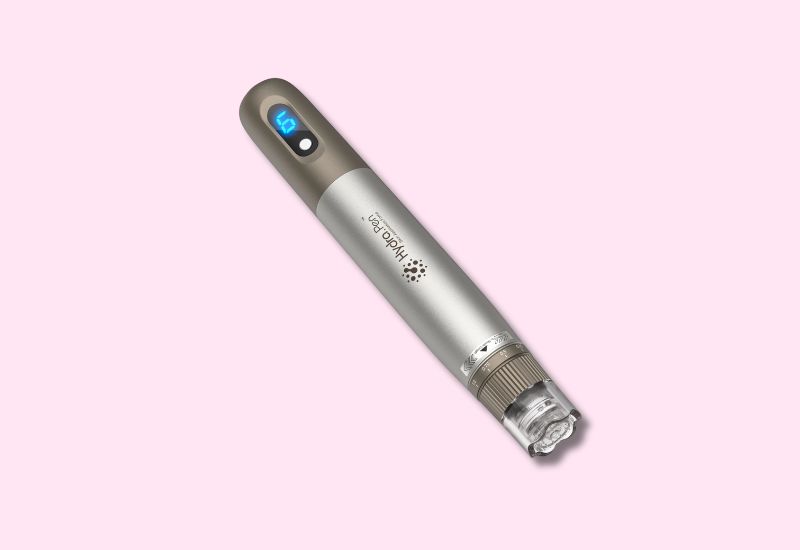
Features
- Built-in 3 mL serum capsule that feeds serum straight into the needles
- Adjustable fluid control ring with 3 distinct speed flow levels
- Clear LED digital screen displaying 6 different vibration speeds
- Safe needle depth adjustments ranging from 0 to 1.0 mm
- Fast Type-C USB charging with a long-lasting rechargeable battery
According to the Reviews…
Hydra Pen H3’s automated delivery system saves you from awkwardly dripping slippery serums by hand while holding a buzzing pen. Instead of a separate, messy application, the serum goes directly into the 3 ml capsule cartridge.
The device automatically infuses the formula directly into the tiny micro-channels as the needles stamp, which boosts product absorption by up to 90%.
Quite versatile, this pen is not just for fading fine lines and plumping the skin, but also for scalp treatments using hair-growth serums without wasting a single drop.
The 5 specialized cartridge types—including nano-needles for sensitive skin—make custom treatments a breeze.
While the safe 1.0 mm physical depth limit means it cannot break down deep, pitted acne scars, it’s an easy, stress-free option for beginners who want professional glow-ups at home without the fear of over-penetration.
Best for
Beginners wanting a clean, mess-free, and highly automated treatment for deep hydration and hair growth
Pros
- Automated design prevents messy manual dripping and product waste
- Highly versatile and works beautifully for hair loss treatments
- Fast, convenient Type-C USB charging with full wireless freedom
Cons
- Maximum needle depth is capped at 1.0 mm for safety
- Capsule cartridges require diligent cleaning to prevent product buildup
6. Art of Skin Care Nano Infusion Pen (Zero Downtime Alternative)
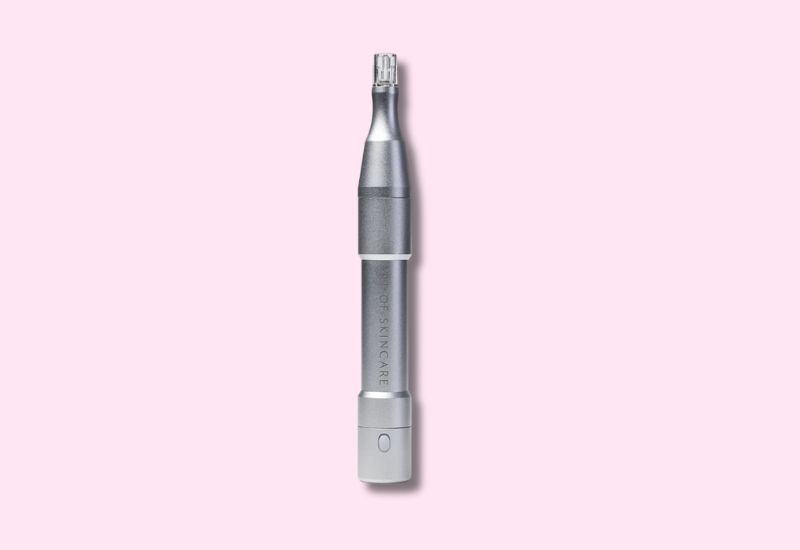
Features
- Silicon tips instead of metal needles to separate cells
- A non-invasive stamping process
- Enhanced product absorption
- Ergonomic aluminum body
- A no-pain design
According to the Reviews…
This microneedling device is for those wanting to avoid metal needles entirely—the process is completely painless and deeply relaxing, much like a warm spa facial massage.
Lightweight, comfortable casing prevents hand fatigue during sessions. This device boosts cosmetic serum absorption by up to 80%.
Post-treatment, there’s absolutely zero peeling, redness, or bleeding and a noticeable, plumping glass-skin look.
However, because the deeper dermis (middle layer of the skin) remains untouched, collagen stimulation for deep acne scars or severe wrinkles is not possible with this method.
Best for
Beginners and those with low pain thresholds wanting zero-downtime weekly glow-ups
Pros
- Zero downtime, redness, or painful recovery after use
- Non-invasive stamping creates temporary pathways without piercing or drawing blood
- Perfectly safe for highly reactive skin and daily serum infusion
Cons
- Cannot reconstruct deep, pitted acne scars or severe wrinkles
How to Sterilize Your Device Safely at Home
Follow this non-negotiable sterilization protocol before every single session:
- Soak the cartridge. Even if the needle cartridge is brand new out of the package, submerge the tip in 70% Isopropyl Alcohol for 10 minutes.
- Let it air dry. Place the cartridge on a clean piece of paper towel and allow it to air dry fully (about 5 minutes). Never use a blow dryer or towel to dry it, as this introduces lint and bacteria.
- Double-cleanse. Wash your face twice. First, with an oil cleanser to break down makeup, followed by a gentle, foaming water-based cleanser. Swipe your face with a clean cotton round soaked in alcohol or chlorhexidine (like CLINIPREP) before touching the pen to your skin.
- Single-use only. Never reuse a disposable needle cartridge. The needles dull after just one use, increasing skin tearing, and bacteria cannot be fully sterilized within the plastic housing.
Never, under any circumstances, share your microneedling pen or cartridges with anyone else—even if they’ve been soaked in alcohol. Cross-contamination of blood and cellular debris is a major health risk.
Which needle cartridges should I go for?
| 9 pins | Acne pit/marks/scars, stretch marks, body scarring |
| 12 pins | Acne pit, acne marks, deep spot |
| 24 pins | Blemishes, under-eye bags and crow’s feet |
| 36 pins | Blemishes, hydration, under-eye bags and crow’s feet |
| 42 pins | Skin tightening, rejuvenation, under-eye bags, crow’s feet |
| Nano | Uneven skin tone, fine lines, active product absorption, and mild, superficial post-inflammatory hyperpigmentation (PIH) |
Required needle length for different skin issues
Do not use a needle depth of over 1 mm at home. If your skin needs longer needles, it’s better to leave it to professionals.
| Target Skin Issue | Needle length | Safe for At-Home Use? |
| Deep Acne Scars / Pits | 1.5 mm | No |
| Flat acne scars | 1 mm | Yes, but limit it to once a month |
| Skin Discoloration / PIH | 0.2 mm to 0.5 mm | Yes (safe for weekly/bi-weekly glow) |
| Fine lines and wrinkles | 0.5 mm | Yes (gentle collagen boost) |
| Sagging skin/elasticity | 0.5-1.5 mm | No |
How Does a Microneedling Pen Work?
A microneedling pen features a cartridge equipped with microscopic, medical-grade needles. The size of these needles typically ranges between 0.25 mm and 2 mm in length—depending on the type of skin correction you wish to have.
While clinical medical devices can reach depths of up to 3 mm, at-home treatments should strictly never exceed 1 mm to avoid permanent scarring, infection, and potential nerve damage.
The device works by crossing its needles into your skin at different depths and lengths to create controlled micro-injuries. This triggers a controlled, microscopic wound-healing response under the surface. This response drastically stimulates collagen production below the surface.
Many people use this treatment as an alternative to more invasive surgeries or procedures, like facelifts or deep chemical peels.
It’s also used as part of a more extensive skincare routine to reduce the appearance of wrinkles, acne scars, stretch marks, and other skin conditions.
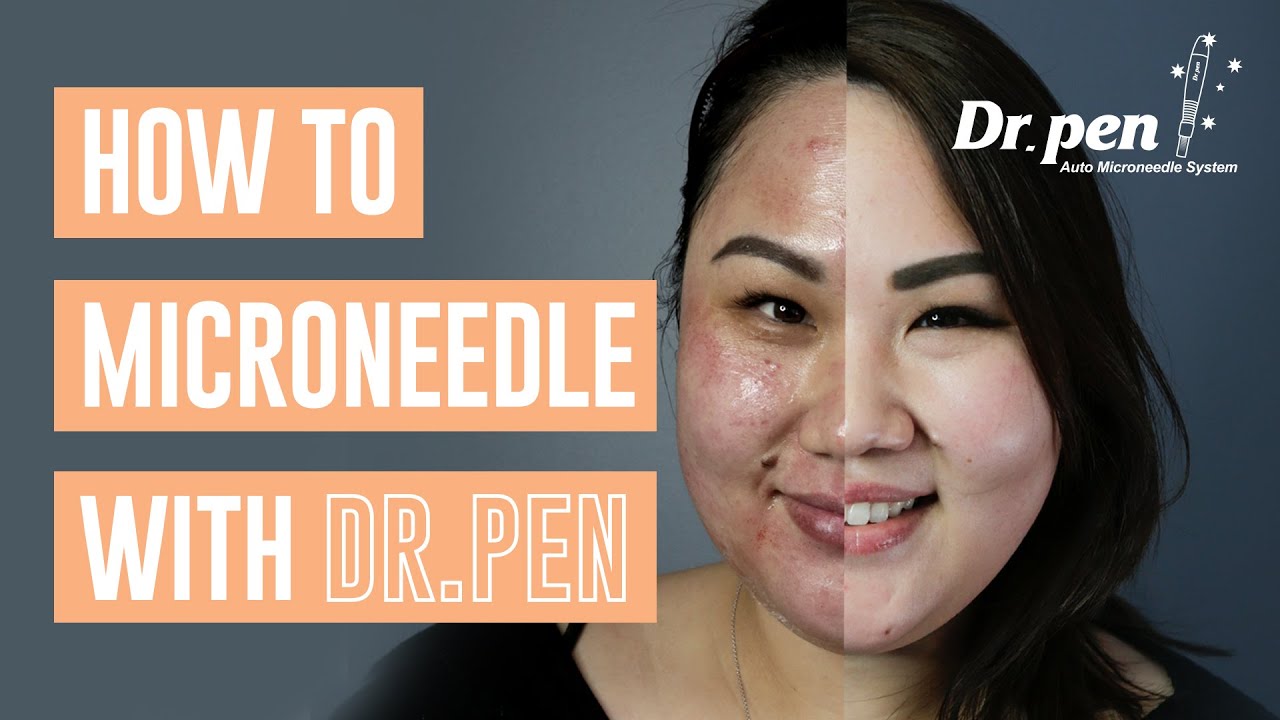
Microneedling Pen Buying Guide
There is a lot of information on how to use a dermapen and how frequently it is used. But what no one tells you is what you should consider when buying the best device for yourself.
Note: While ‘Dermapen’ is a trademarked clinical device used by dermatologists, at-home motorized devices are universally referred to as microneedling pens.
It might get confusing with so many models and needle sizes. So here we’ll guide you to choose the one just right for you.
Ability and Purpose
Before you hit the market, always remember the purpose of your buy.
Are you purchasing it for cosmetic purposes, or want to target a specific skin issue, such as deep acne scars? Selecting the correct device and needle configurations depends entirely on this baseline.
Quality
The build quality of your pen should be exceptional. Premium pens are crafted with medical-grade aluminum shells that can withstand sanitization and feature CE, RoHS, or ISO medical device manufacturing certifications.
Avoid buying dirt-cheap, unbranded pens that lack safety certifications and anti-backflow fluid guards.
Also, be wary of brands claiming FDA Approval for at-home use—the FDA only clears motorized pens for clinical use, so any over-the-counter approval claims are a major red flag.
Size
The pen should be lightweight and fit comfortably in your hand. Heavy or bulky devices can exhaust hands, which can lead to applying uneven pressure during a treatment.
At the same time, make sure you buy the correct needle length. Avoid buying needles that are too long for safe home use.
Select a device with an adjustable dial so you can dial back the depth to safe home limits, 0.25 mm to 1.0 mm.
Operation
A microneedling pen should be easy to operate without overly complicated settings. You’ll want to determine whether a corded model (which offers uninterrupted, consistent motor power) or a cordless model (which offers total physical freedom) fits your routine best.
Storage
Store your pen and unused, sealed cartridges in a cool, dry place inside its protective hard-shell case. Keep it far out of reach of children and pets, and never store it in a damp bathroom where humidity can degrade the internal battery and electrical parts.
Side Effects
The common side effects of microneedling are temporary redness, warmth, and mild swelling that looks like a sunburn. A slight tingling sensation during the healing phase is also normal.
However, if your skin burns intensely, oozes, or breaks out in deep pimples, it is a sign of incorrect technique or contamination. Contact a dermatologist right away in this case.
Reviews
When scanning user reviews, look past the star rating and search specifically for comments mentioning cartridge stability. Avoid devices with reports of needle wobbling, rattling, or poor attachment fits, as an unstable cartridge can cause painful, diagonal dragging on the skin.
When Not to Perform This Procedure
- Never perform more than one microneedling session a month for depths over 0.5 mm to allow your skin barrier to rebuild fully.
- Never use the device over your eyelids or lips, where the skin is too thin and delicate.
- Avoid the pen when you have active, inflammatory breakouts (raised, tender red bumps or pus-filled whiteheads). Needling over active pimples will pop them beneath the surface, spreading acne-causing bacteria all over your face. However, it’s completely safe to needle over flat, fully healed dark marks and scars!
- If you have serious health conditions or skin diseases like eczema or psoriasis, consult a dermatologist before starting any treatments.
- Pregnant and breastfeeding women should avoid undergoing this procedure.
How To Use a Microneedling Device at Home
At-home microneedling is highly effective, but using the correct operating technique can give you clinical-level success. Follow these steps to get safe, even treatments without hurting the skin barrier in any way:
- Section your face: Visually divide your face into small, precise areas (forehead, left cheek, right cheek, nose, chin, and neck). Go from the top to the bottom part of the face or vice versa. This makes sure no areas are accidentally over-treated.
- Apply a slip agent. Never use a microneedling pen on dry skin. Apply a generous layer of pure, high-molecular-weight Hyaluronic Acid to the section being treated to allow the pen to glide effortlessly.
- Set the angle to 90°. Hold the pen perpendicular to the face. Puncturing the skin at a precise 90° angle prevents diagonal tearing and shortens downtime.
- Glide in a clean grid pattern. Gently slide the pen across the skin using vertical, horizontal, and diagonal passes. Make sure you only do 2 or 3 passes per area to avoid over-needling.
- Don’t apply downward pressure. Let the motor do the work. The hand should only guide the pen lightly over the skin—pressing down can leave scars and uneven depth.
- Lift the pen to change directions. Never drag or turn the pen while the needles are in contact with the skin. Always lift the device completely off the face before beginning a new pass or changing directions.
- Clean the device post-treatment. Toss the single-use cartridge immediately. Wipe down the pen body with an alcohol-soaked cloth before storing it in its protective case.
Before and After Care
Since this procedure provides so many benefits, people buy it for at-home treatments. But every treatment has a procedure, and there is pre- and post-care.
Because microneedling increases skin permeability by up to 80%, what happens before and after a treatment can make or break the final results. Here is an easy-to-follow timeline:
Before treatment
- 5 Days prior: Stop using any strong actives like Retinoids (Retinol, Tretinoin), AHAs/BHAs (Glycolic, Salicylic Acid), and Vitamin C. The skin barrier needs to be as strong and calm as possible before we start.
- 3 Days Prior: Step away from the sun! Avoid direct, heavy sun exposure, and definitely don’t undergo any facial waxing or chemical peels.
- Immediately Before: Wash your face twice (first with an oil cleanser for makeup, then a foaming wash). Follow up by swiping your face with a clean cotton pad soaked in a skin-safe antiseptic like hypochlorous acid or chlorhexidine to create a clean base.
After Treatment
- The First 24 Hours: No face washing, no makeup, and no sweaty workouts! Sweating can introduce bacteria into freshly opened micro-channels.
- The First 48 Hours: Keep everything basic. Stick strictly to pure, high-quality Hyaluronic Acid or moisturizers loaded with ceramides to soothe your skin. Do not use Vitamin C, Retinol, or acid exfoliants—they can cause painful chemical burns and leave you with stubborn dark spots (PIH).
- Sun protection: Slather on at least SPF 50 broad-spectrum mineral sunscreen every single day. Since your micro-channels are open, the sun can easily cause permanent pigmentation if you skip this step.
- Keep Hydrated: Chug plenty of water and consider taking a high-quality collagen supplement to help your body rebuild that lovely new skin from the inside out.
Frequently Asked Questions
Does it hurt?
The sensation depends entirely on your needle depth. Shallow depths, 0.25 mm to 0.5 mm, feel like a light, scratchy vibration and generally do not require numbing.
For deeper treatments 1 mm or more, applying a topical over-the-counter numbing cream 30 minutes prior makes the session completely comfortable.
How often should you use an at-home microneedling pen?
Shallow, cosmetic treatments can be done every 2 to 3 weeks. However, deeper collagen-induction treatments require a full 4 to 6 weeks between sessions to allow new collagen fibers to mature.
Does it work for all skin types?
Yes, microneedling is safe for all skin types and tones. Unlike certain laser treatments or deep chemical peels, microneedling does not use heat, meaning it’s highly safe for darker skin tones with a very low risk of triggering post-inflammatory hyperpigmentation.
Is peeling of the skin after using okay?
Yes, mild peeling and flaking typically start around days 3 to 5 post-treatment. This is a normal sign of accelerated cellular turnover as dead skin cells shed and new skin starts to appear. This subsides within a few days and reveals a brighter, smoother layer underneath.
5. How long does it take to see results from micro-needling?
You’ll see an immediate glow within a week due to increased product absorption and temporary plumping. However, deep structural changes—like the smoothing of acne scars and fine lines—take 4 to 12 weeks to appear as new collagen fibers form.
Results also depend on how quickly your skin responds to the body’s natural healing process and how soon collagen works in your skin.
How long does it last?
The initial plumping and glow last about a month or more, but the structural collagen built during a consistent series of 4 to 6 treatments is long-lasting. Though the natural aging process will eventually require maintenance sessions.
Skin Pen vs. Dermapen
Both of these are professional-grade devices used strictly in clinics. They have high-precision, medical-grade motors that deliver sterile, medical-grade results. While at-home pens are great for superficial skin maintenance, severe skin correction is best left to clinical practitioners using these professional machines.
Dermapen vs Derma roller
A microneedling pen punctures the skin at a strict 90° angle, which creates clean, precise micro-channels. Traditional rolling devices enter and exit the skin at a diagonal angle, which can slice your epidermis, damage your skin barrier, and lead to scarring.
How much does a Dermapen cost on average?
On average, a high-quality, at-home model costs from $100 to over $600 upfront, with replacement cartridges costing around $3 to $10 each per session. A single professional session at a dermatology clinic typically costs $200–$700.
10. What should you put on your face after the treatment?
As a rule of thumb, use basic, soothing, and non-comedogenic ingredients. Pure Hyaluronic Acid, copper peptides, and ceramide creams work well. Avoid any products with fragrances, alcohol, or active exfoliating acids.
Here’s a guide on the products you should use after a microneedling treatment.
11. Microneedling vs. Botox
While both are popular anti-aging treatments to improve skin, it depends on what you hope to achieve.
Botox physically relaxes facial muscles to temporarily prevent dynamic wrinkles from forming on the surface.
Microneedling physically rebuilds your skin structure by generating new collagen and elastin, improving overall skin thickness and texture.
Final Word
With time, scars can fade on their own. However, some scars are stubborn and can become permanent if left untreated.
Wrinkles, fine lines, and other anti-aging issues are inevitable with age, but you can gracefully delay the process. Most anti-aging serums cannot penetrate deeply enough on their own, which is why a minimally invasive mechanical treatment like microneedling is so helpful. Microneedling pens help you do that in the comfort of your home.
Once you weigh all your options, a high-quality microneedling pen stands as one of the most cost-effective and powerful investments you can make to get healthy, clear skin at home.

Hi, I’m looking for a microneedling pen which is easy on pocket and provides different types of cartridges in one pack. Can you suggest me something?
Hello, Carli
There’s a new brand called Beautlinks which is liked by many users who swear by it. It offers 3 different sized cartridges that come with the device. Check it out here – https://thebeautyholic.com/best-microneedling-pen-reviews/#12_Beautlinks_Professional_Derma_Pen
I’ve had hair loss issues since I was a teenager and have tried various topical treatments but nothing seems to work. I know microneedling can be painful but I’m making up my mind for it. What will be the best dermapen you will recommend of these all specifically for hair loss?
Hi, Janice!
Good to know that you’re about to try this therapy. As far as hair loss is concerned, you can go for Dr. Pen Ultima N2 since it has worked for many suffering from hair loss issues.
Hi, how are you? I’d like to know about M8 from Dr. Pen, thanks.
Hi, Sasha
I hope you’re well and good. It is the latest microneedling pen from Dr. Pen. Though it comes with 2 needles, it’s solidly built and easy to use. It has thinner needles so I’ll recommend it for the face and neck only. The only issue right now is, the needles are not so easily available but I’m sure they will fix it since it’s a new launch.
Know more about it here: https://thebeautyholic.com/best-microneedling-pen-reviews/#1_Dr_Pen_M8_with_16-pin
Hey! Thanks for sharing such a well written and detailed post about dermapens. It’s so helpful and I’m going to recommend it to my friend who’s looking for DIYing her treatment.
Hi! Thank you for this article. I searching for the most effective dermapen for fine lines under my eyes as well as crow’s feet. I’m 47 and would also also like to improve overall elasticity and texture. There are just sooooo many pens to choose from. Which would you recommend for me as well as which serum? Any help would be greatly appreciated. Thank you!!!
Hi Allison 🙂
I would recommend Dr. Pen M8, especially for the face.
Regarding the serum, you can use Argireline while microneedling. It works great on crow’s feet, smoker lines and creases caused by facial expressions. The ideal depth should be 0.3 for eyes wrinkles, 0.5 for forehead wrinkles, and 0.8 for smoker lines if you have any.
Let me know if you have any other questions.
TY you soooo much for your time and recommendations. one additional question, I had my eyebrows microbladed years ago and the color faded to an awful color. I read one pen also helps with that too, is it the same one? How often can I dermapen and how long does it take to heal after I do it?
do you like the new hydrapen? how do you think it compares to the dr. pen m8?
I am looking for a pen that can improve signs of crepey skin on my neck and chest , pigmentation, large pores and first signs of loss of elasticity on my face. The A6 from Dr pen seems to be the right pick from what I’ve read here, but so does the m8. Do you have any insight here? Also would like to use it on the backs of my hands!!
Hey Leana,
In my opinion, if you want to target areas more than your face, Ultima A6 is a great choice. However, if it’s just for the face, the M8 is ideal.
Thank you!! Definitely doing my chest neck and hands as well as the face. So I’ll try the A6!! I really appreciate all the good advice here.
Since Ultima A6 is versatile and delivers great results, I recommend you choose Dr. Pen. Purchase it here: https://amzn.to/3BCTGnZ
looking for a pen with a larger surface area? which one has a larger area?