
The best foundations for rosacea and sensitive skin do one job: calm things down without stinging. That means fragrance-free, light formulas that let your skin actually breathe.
It’s how Princess Diana handled her own rosacea, proving you don’t need cakey layers to look all sorted.
What Do Dermatologists Recommend for Rosacea?
Their advice is delightfully simple: skip the heavy layering, look for mineral pigments, and treat your skin barrier gently.
Rosacea is an ongoing inflammatory skin condition, so you manage it rather than cure it. You might only get flushing across your cheeks, or you might get tiny broken vessels and stubborn, acne-like bumps all at once.
Why does foundation sting your skin when your friends can wear anything? A 2020 study on rosacea skin found that rosacea cheeks lose moisture much faster and hold way less hydration than normal skin. Basically, your moisture barrier has tiny cracks in it. Water escapes, and makeup ingredients slip right in to irritate your nerve endings.
Your cleanser can also work against you. Healthy skin is slightly acidic, around a pH of 4.7 to 5.5. Rosacea skin already runs higher, and washing with a harsh, foamy cleanser pushes it even further off balance. Half the time, your cleanser causes the damage, and your foundation just takes the blame because you put it on last.
Then there’s the sunscreen myth: mineral sunscreens reflect UV rays away while chemical sunscreens trap heat. A 2016 study by Cole and colleagues proved that wrong. Zinc oxide and titanium dioxide actually absorb about 95% of UV rays and turn them into subtle heat, almost identically to chemical filters.
Dermatologists still prefer mineral filters for rosacea, simply because they don’t sting. Chemical filters like avobenzone and oxybenzone are classic irritants on compromised skin. Zinc oxide and titanium dioxide sit together calmly on the surface and block the whole UV spectrum without a bit of irritation.
You’ll also see breathable on a lot of bottles. It just means that the formula uses light silicones like dimethicone that let heat and sweat pass through instead of trapping them under a heavy layer.
Red-flag ingredients list:
- Denatured alcohol (alcohol denat.) near the top of the list
- Fragrance and essential oils
- Menthol, camphor, peppermint, or eucalyptus
- Witch hazel (usually loaded with drying alcohol)
- Bismuth oxychloride (the culprit behind the itchy, prickly feeling in many loose mineral powders)
Safe to use: Don’t let fatty alcohols like cetyl or cetearyl alcohol scare you off. They’re soft, waxy moisturizers, not drying alcohols. Mineral oil is one of the least irritating, least allergenic ingredients in cosmetics. Dimethicone is fine.
Of course, makeup only covers the redness. True relief comes from prescription treatments like azelaic acid, metronidazole, or ivermectin, along with laser treatments for broken capillaries. A good foundation just helps you feel like yourself while your skincare does the heavy lifting.
The Best Foundations for Rosacea, According To Your Skin
Every pick below caters to a specific skin type. Find the one that sounds like your skin and start there.
1. Dermablend Flawless Creator Multi-Use Liquid Pigments
Best for: Normal to oily skin with intense redness that wants good coverage without the heavy, masky feeling.
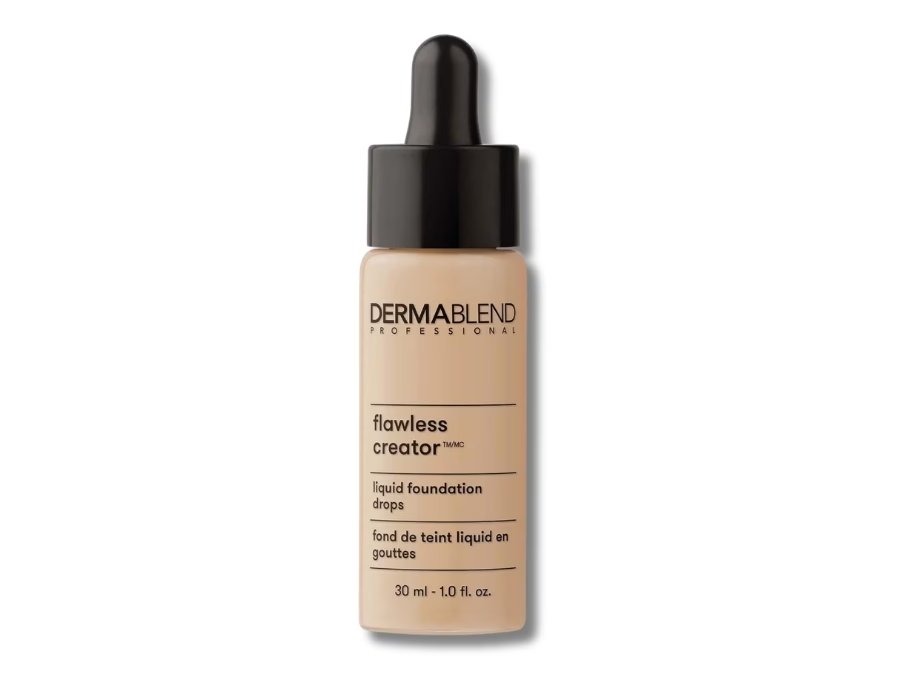
Dermablend has roots in corrective makeup. The brand is generally credited to cosmetics entrepreneur Flori Roberts, who launched it in 1981 for people covering scars, birthmarks, and serious redness. So it makes sense that Flawless Creator behaves like a pro tool.
It’s a water-free pigment fluid, and honestly, a few drops go much further than you’d expect. Wear it neat for full coverage, or mix a drop into your moisturizer for something sheerer on good-skin days.
The texture is slippery at first, then sets in roughly 60 seconds, so work one face zone at a time. Do your cheeks, blend, then move on. Just moisturize well beforehand and let it sink in, as this water-free formula will cling to dry patches if you skip skin prep.
If Flawless Creator isn’t available near you, Dermablend Cover Creme SPF 30 is another good choice. It’s wax-rich and much denser, so spot-apply it over intense redness rather than wearing it all over.
2. Jane Iredale Amazing Base Loose Mineral Powder SPF 20
Best for: Normal, combination, and oily skin that prefers mineral powder but itches under the classic formulas.
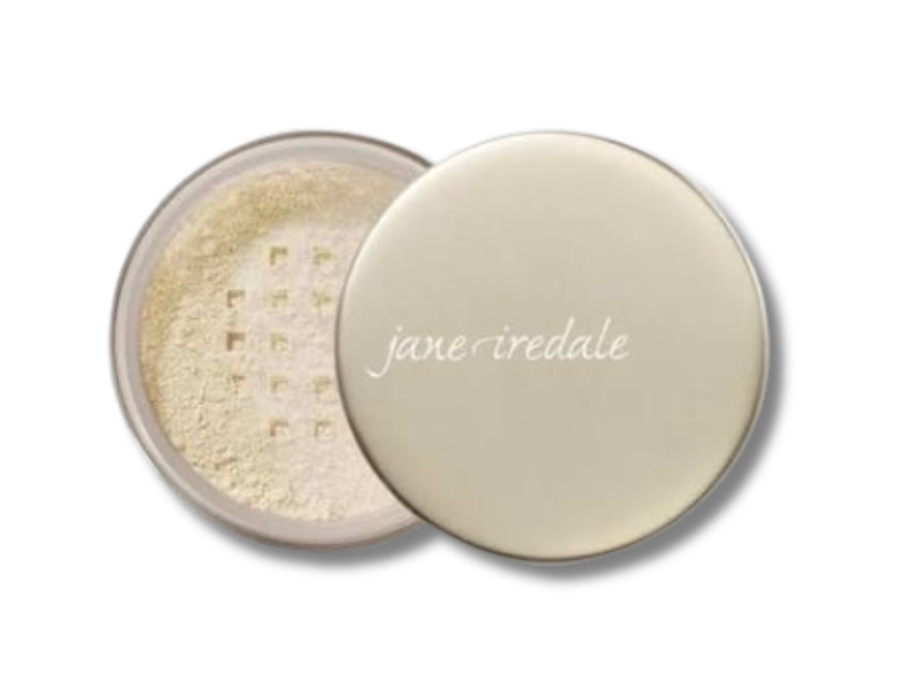
Fun fact about mineral powder: many old cult favorites use bismuth oxychloride for a glowy finish, and for plenty of rosacea skin, that ingredient causes itching and prickling.
Jane Iredale built this one without it. Jane Iredale, a former casting director, founded her brand in the mid-1990s around the idea that makeup could be kind to skin, and this powder is the brand’s signature.
It’s silky and finely milled, with a satin finish and light-to-medium coverage that builds beautifully. The application rule is simple: press, don’t buff. Tap it on with a dense brush or puff, then press again where you need more. Buffing in circles is friction, and friction is a flare trigger.
Because it’s a loose powder, it can get a little messy on your vanity, and very dry skin might look slightly powdery by mid-afternoon. SPF 20 is just a nice bonus rather than your primary sunscreen.
3. Youngblood Natural Loose Mineral Foundation
Best for: Oily and combination skin that wants a soft-matte finish without that flat, chalky look.
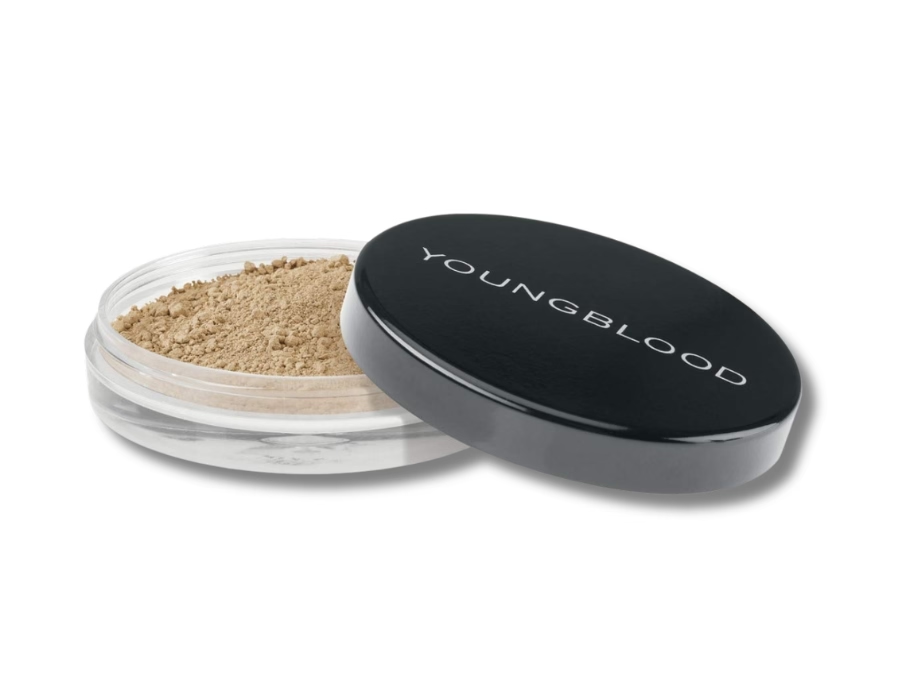
If your T-zone is shiny by late morning and your cheeks are pink at the same time, this finely milled powder soaks up the day’s shine and still looks natural.
It’s soft-matte rather than dry-matte, which is helpful for reactive skin, because ultra-matte formulas tend to feel tight and look cakey over flushed areas.
Use a light dusting pressed in with a dense, soft kabuki brush. Then mist your face lightly with a plain, fragrance-free mist to blend the powder into your skin. In about a minute, you’ll go from “I’m wearing powder” to “my skin just looks good today”.
Before you buy, check the current ingredient list for talc, bismuth oxychloride, and fragrance, because loose powders get reformulated quietly, and the version on the shelf can differ from the one in old reviews.
The only real hurdle here is shade-matching a loose mineral powder online. Order from a retailer with easy returns, and always swatch it along your jawline in natural daylight.
4. IT Cosmetics Your Skin But Better CC+ Cream SPF 50+
Best for: Dry, mature skin over 50 with redness and fine lines.
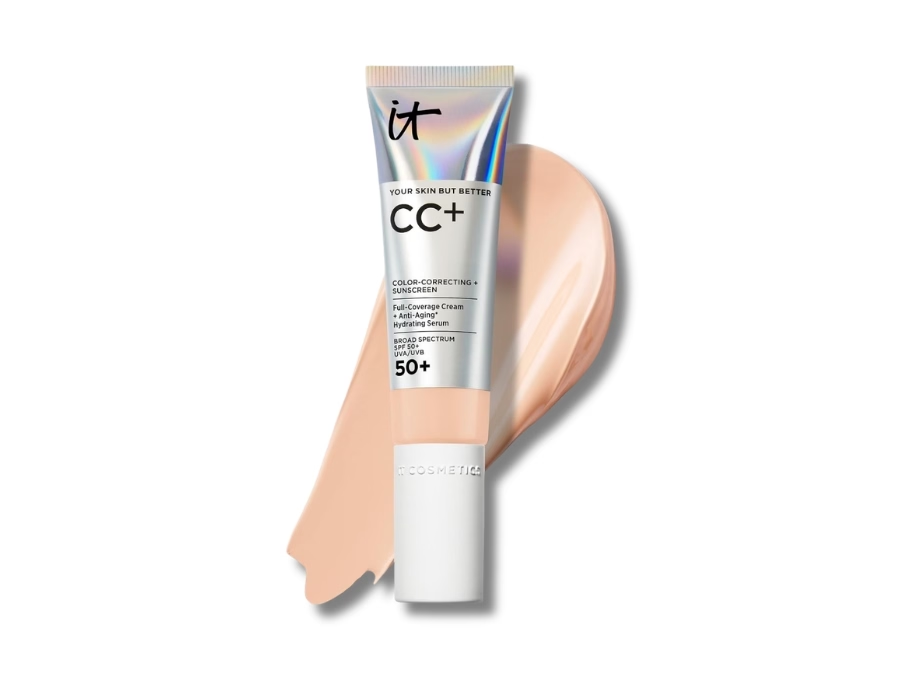
Founder Jamie Kern Lima has spoken publicly about her own rosacea and her years as a TV news anchor, and you can feel that in this formula. It’s made for real skin under real lighting.
If you’ve been searching for the best foundation for rosacea and mature skin, this is where most of us land first.
The texture is thick and cushiony, so don’t just squeeze it on and smear. Warm a pea-sized amount between your fingertips, then press it into your skin. That little warm-up makes it melt instead of sitting on top.
It’s packed with skin-loving extras like hyaluronic acid and niacinamide, and the cushiony finish softens dry patches without sinking into every line around your eyes. Give it 2 to 3 minutes before concealer.
One note: don’t assume the SPF is mineral-only. Flip the box and read the drug facts panel. If your skin stings with certain chemical filters, you’ll want to know exactly what’s in there.
If you have oily skin, you’ll probably find this too rich during humid summer months. Keep in mind that a few shades dry down slightly darker, so give it a few minutes to settle before judging the color match.
5. bareMinerals Complexion Rescue Tinted Moisturizer SPF 30
Best for: Dry, dehydrated skin that wants a dewy, barely-there tint.
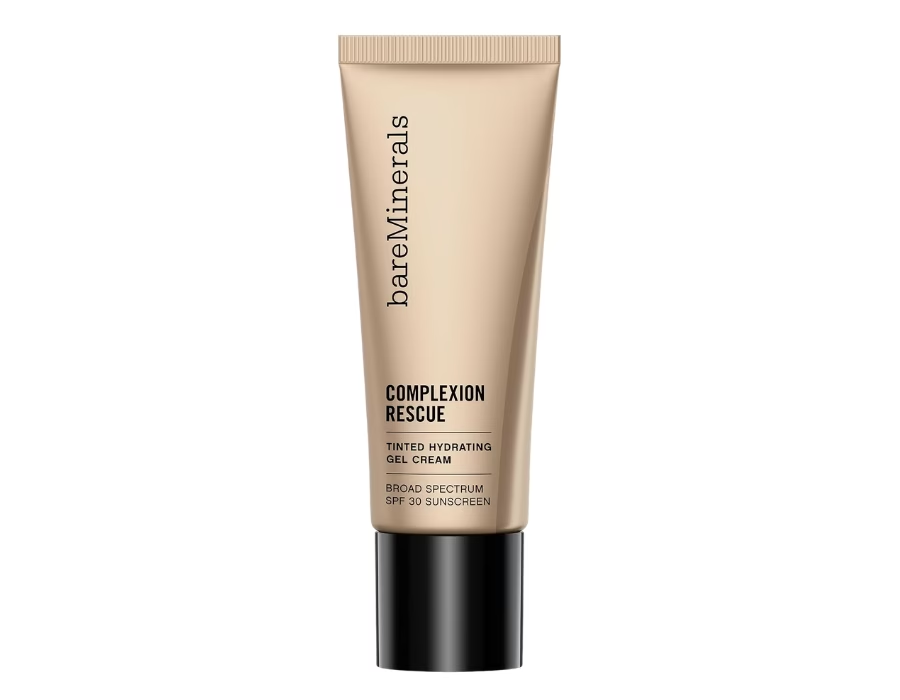
Bare Escentuals started in San Francisco in 1976, and the bareMinerals line turned into a full cult favorite in the late 1990s and early 2000s. This is the brand’s cream format, and it’s different from the loose powders.
It’s a gel-cream tint that feels like moisturizer, with a soft, dewy finish that makes you look like you slept eight hours and drank all your water—I did neither, for the record.
Coverage is sheer to light. Fingertips work best here, because the warmth helps it melt in. Give it about 2 minutes to settle before you add anything else.
On the days when I want to look impeccable for lunch without feeling like I’m wearing makeup, this is the one I reach for—though if I’m dealing with an intense flush, I’ll still tap a little green corrector or spot concealer over my reddest areas first.
6. Tower 28 SunnyDays SPF 30 Tinted Sunscreen Foundation
Best for: Oily and combination skin with papulopustular (bumpy, acne-like) rosacea that can’t handle traditional acne actives.
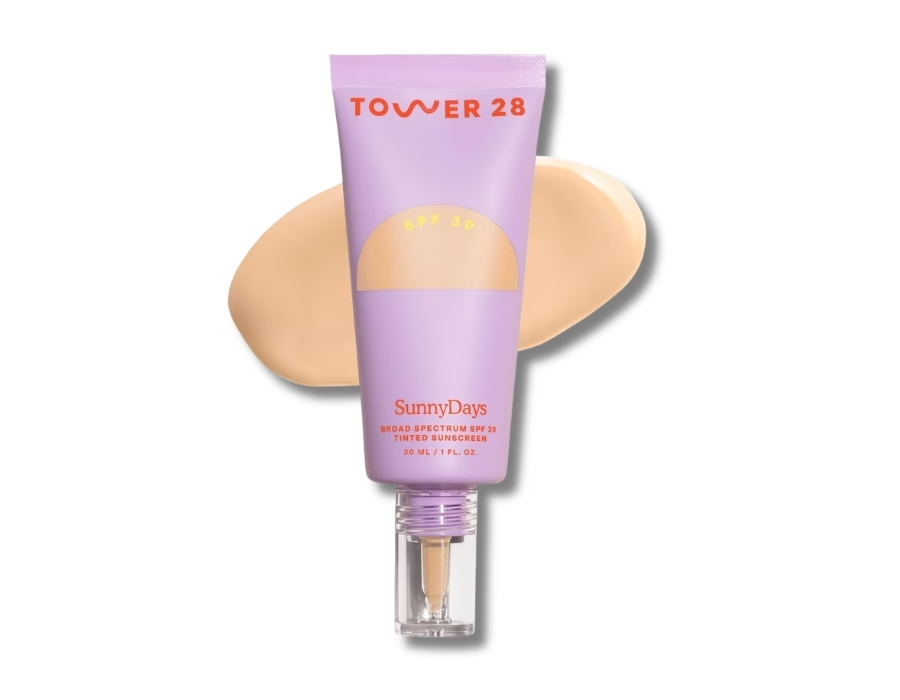
With oily skin that flares with red bumps, you might reach for typical acne foundations and you’ll usually find drying alcohols or salicylic acid that leave your cheeks stinging.
This foundation skips the acids totally. It’s a light-to-medium liquid with a natural satin finish that evens out blotchy tones without turning into a heavy, suffocating grease layer.
Instead of chemical filters that convert light into flare-triggering heat, it uses 12.6% non-nano zinc oxide. Zinc is naturally anti-inflammatory, so it actively helps calm surface redness while shielding sensitive skin from the sun.
Aloe vera and prickly pear extract are infused too to keep midday shine balanced without drying you out. Plus, it holds the National Eczema Association’s Seal of Acceptance™, so you know there are zero shady fragrances or essential oils waiting to set your skin off.
Since coverage leans light-to-medium, one swipe won’t completely hide a deep-red flare. Press on a second thin layer where you need extra help, or tap a tiny dot of concealer over stubborn spots.
7. Clinique Redness Solutions Makeup SPF 15
Best for: Sensitive, easily flushed skin with mild, everyday redness.
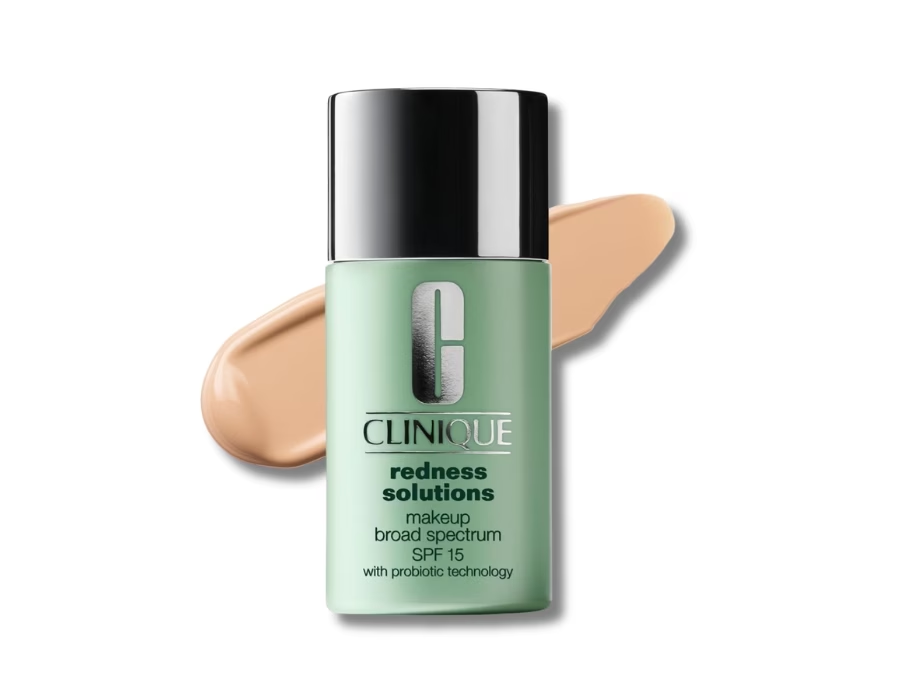
Clinique launched in 1968 as Estée Lauder’s dermatologist-guided brand, sparked by a Vogue article titled “Can Great Skin Be Created?“
The brand is also known for keeping fragrance out of its line, which is lovely news for rosacea-prone faces.
Redness Solutions Makeup is a smooth, lightweight liquid with a sheer yellow-green tint built right in, so it quietly neutralizes mild redness without a separate corrector step.
It’s the foundation I’d hand to someone who’s tired of lengthy morning routines. One product, a damp sponge, done.
The finish is natural, the wear is comfortable, and it doesn’t feel like you’ve painted over your face—just know that the light-to-medium coverage is meant for everyday pinkness, so you’ll still want a concealer on heavy flare days.
8. Oxygenetix Oxygenating Foundation
Best for: Hypersensitive faces in the middle of a stinging flare, or skin recovering from clinic lasers.
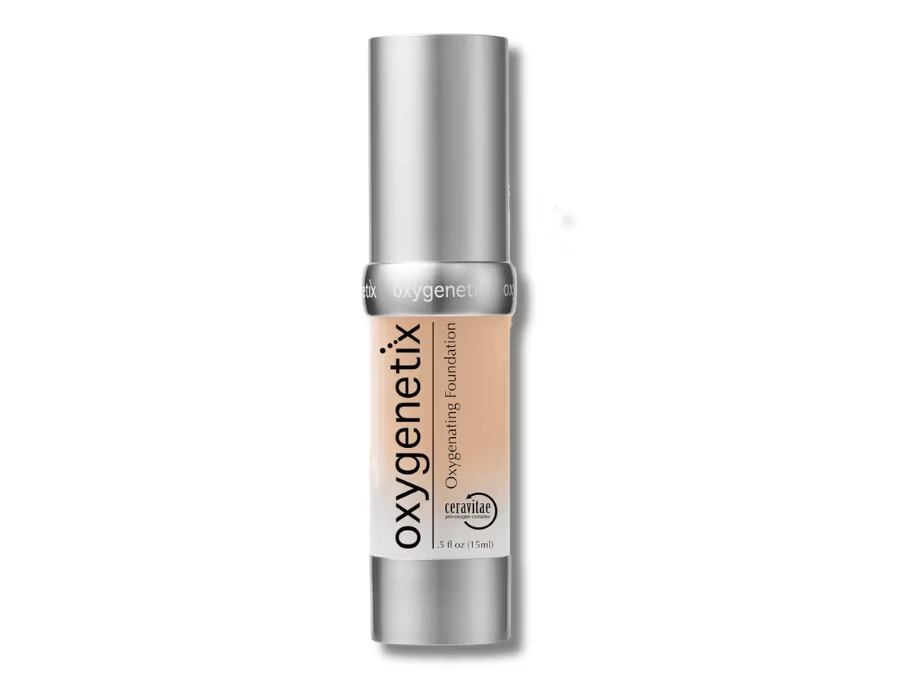
Oxygenetix wasn’t made for beauty counters. Doctors literally created it so patients could put makeup straight onto raw skin after chemical peels and laser treatments. If your barrier is so wrecked that splashing plain tap water stings your face, this is usually the only foundation that won’t make things worse.
Instead of a plain water or oil base, it runs on soothing aloe vera and an airy gel matrix that lets skin breathe rather than trapping heat. Coverage sits at a buildable light-to-medium with a satin, second-skin finish that quietly neutralizes red and purple flushing.
Tap it on with a damp sponge or your fingers! It actually feels cool on contact, which is pure heaven when your cheeks are burning.
Since it sits on the expensive side and dries faster than traditional fluids, work in small, quick sections rather than dotting it all over your face at once.
9. Ilia Super Serum Skin Tint SPF 40
Best for: Normal to dry skin that wants mineral sun protection with a fresh, dewy glow.
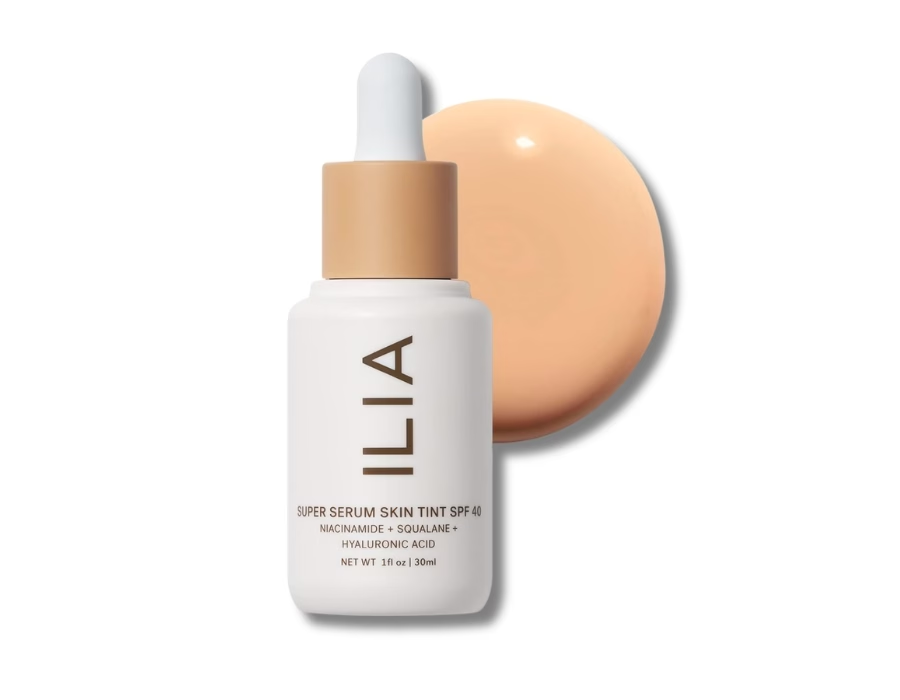
If your morning goal is simply getting your sunscreen on and knocking back a little redness in one step, this is the latest cult favorite. It’s a runny, fluid serum loaded with non-nano zinc oxide (12%), plant-based squalane, and hyaluronic acid, so it behaves like a soothing morning oil rather than makeup.
Coverage is sheer and ultra-dewy, making reactive, parched skin look instantly plumped and rested. It dispenses with a dropper; just warm three to four drops between your palms and press it into your face.
The formula smells earthy out of the bottle because it has zero added masking fragrance (the scent vanishes after a minute). It also leans very glowy, so if your rosacea comes with noon T-zone shine, you’ll definitely want to dust a little powder on top.
10. Clinique Even Better Clinical Serum Foundation SPF 20
Best for: Normal to combination skin that wants medium coverage with a skincare feel.
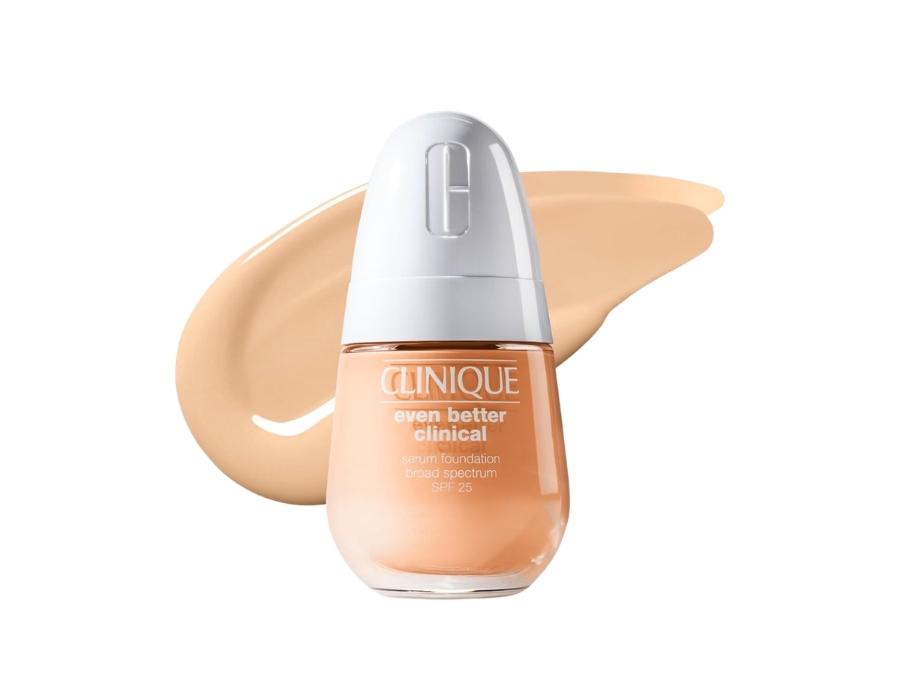
If you like your foundation to feel like a serum, this is your girl. It’s a thin, fluid texture that layers easily without pilling, and the medium, buildable coverage has a natural finish.
It’s one of those formulas that makes your skin look calmer and more even without screaming foundation.
Give it about 2 minutes to settle, then check the mirror for oxidation, because a few shades can shift slightly warmer as they dry.
Because this is a skincare-packed hybrid, the ingredient list is much longer than a basic mineral formula. Scan the label for actives before buying and do a proper patch test, especially if you already use prescription topicals.
Always buy from the brand or an authorized seller, especially on Amazon. Counterfeit foundation is a real thing, and undisclosed ingredients are a major irritation risk for reactive skin.
Does the SPF in Your Foundation Actually Count?
Not really, at least not on its own.
SPF is tested at 2 mg/cm² of product, which works out to about ¼ teaspoon (roughly 1.25 ml) for your face.
Now think about how much foundation you actually use. A couple of pumps? A few dots? That’s a fraction of the tested amount, so your real-world protection falls well below what’s printed on the bottle.
And since sun is a top rosacea trigger (about 81% in NRS surveys), this is the step I’d never skip.
Wear a dedicated mineral sunscreen for sensitive skin under your makeup. Let it set until it no longer feels tacky, usually 3 to 5 minutes, before foundation goes on. Rushing this is how sunscreen and foundation end up rolling off together in little crumbs.
What Makeup to Wear with Rosacea: Tips for Rosacea-Prone Skin
Prep, then wait
You may have read that you need to wait 30 minutes between every skincare step. Nobody has that kind of time.
The rule is to wait until each layer stops feeling wet or tacky. Thin serums usually need about 1 to 2 minutes, and moisturizer needs about 3 to 5. Following the right order to layer your skincare counts.
For your moisturizer, look for barrier-friendly cues on the label like ceramides, cholesterol, and fatty acids.
Hyaluronic acid is another safe bet, provided you skip the multi-molecular versions. Smaller HA fragments can sneak into your barrier and irritate, so stick to a basic, classic hyaluronic acid that stays on the surface.
Niacinamide at around 2 to 5% is generally well tolerated and supports the barrier. And yes, you can use it with vitamin C. The vitamin C and niacinamide myth is one of the most-repeated pieces of bad skincare advice out there. Just don’t apply the entire alphabet of skincare ingredients in one morning and then wonder why your foundation is overreacting.
Pat, don’t buff
Simple, but it changes everything. Use a damp sponge and tap, tap, tap. Stiff brushes and circular buffing add friction to already-reactive vessels, and you’ll see it as extra pink by lunchtime.
Plus, wash your sponge after each use and replace it every 1 to 3 months. A grubby sponge doesn’t look cute on anybody’s cheeks.
Keep your skincare chilled
Washing your face in a hot shower guarantees a flush before you even put on anything. Splash lukewarm water at the sink instead. If your cheeks still feel hot, pop your moisturizer in the fridge for 15 minutes before putting it on. It shrinks dilated vessels fast, so your makeup goes on over calm skin. Keep your skincare routine as simple as possible.
Do a real patch test
A quick swipe on your wrist won’t tell anything. Dab the foundation along your jawline twice a day for up to a week before wearing it all over. Rosacea flares often build up from repeated exposure, which is why so many formulas behave on day one and break out by day four.
Match your shade to your jaw, not cheek
This is the mistake almost everyone with rosacea makes, me included, for years.
Rosacea cheeks look pinker and cooler than your true undertone, so if you match there, you’ll pick a shade that’s too pink and just makes the redness look intentional.
Instead, swatch a few shades along your jawline in daylight. Then walk away and check again after 15 to 20 minutes, because many formulas oxidize and shift slightly as they dry down. The shade that disappears after that wait is your shade.
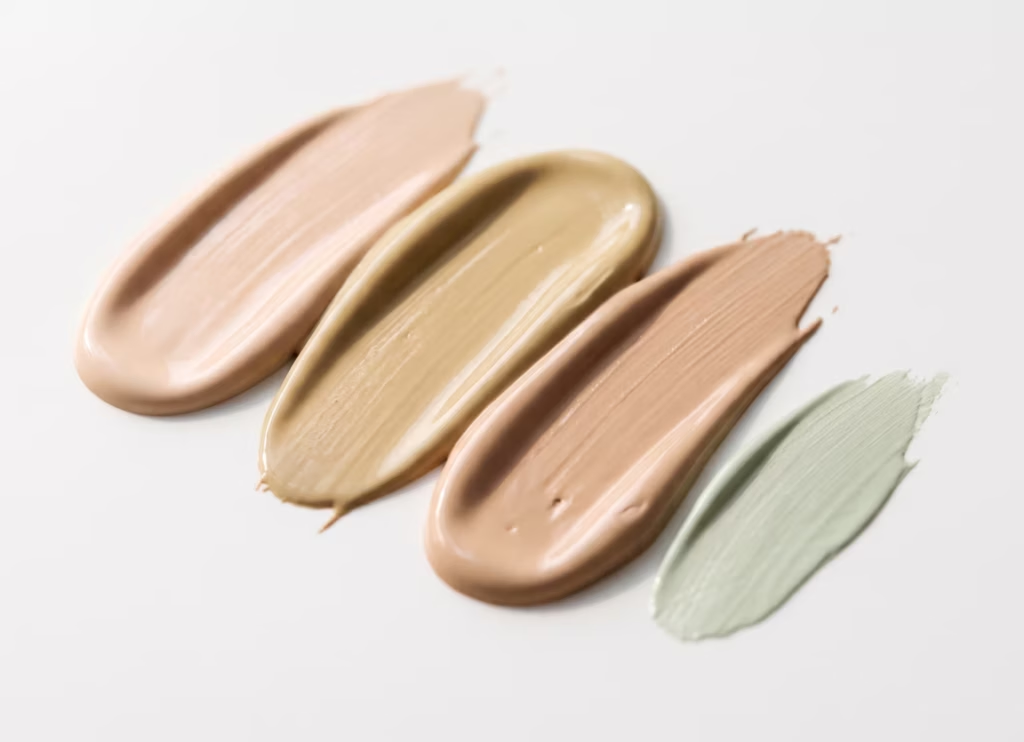
Green vs. Yellow: How to Color Correct Without Looking Ashy
Green sits opposite red on the color wheel, so it cancels red out. Most green correctors get their color from chromium oxide greens. That’s the magic trick.
So which one do you need? For intense redness or broken capillaries, use a sheer green corrector and spot-apply it only where the red lives. One great color corrector to try is Colorescience’s All Calm Redness Corrector.
For mild, all-over pinkness, reach for yellow or peach instead. These look more natural, especially on medium to deep skin, where green can turn ashy fast.
The application rule is one thin layer, pressed in. Wait about a minute before foundation. Applying green too thick is exactly how you end up looking gray in photos.
Why Foundation Stings, Pills, or Turns Patchy
When it stings, the usual culprit is barrier damage from a harsh cleanser or a little too much enthusiasm with exfoliating acids. Denatured alcohol, added fragrance, or a sensitizing chemical sunscreen filter in the formula can also cause it. The foundation is rarely too strong. More often, your skin’s seal was already compromised when the foundation arrived.
Some say pilling comes from pH clashing between your skincare and foundation, but it’s mostly a myth. Pilling is almost always one of these:
- Film-formers and polymers that don’t blend well together
- Layering before the previous step has dried
- Using too much product
- A rich moisturizer that never fully settled before foundation went on
The classic disaster combo is a water-based serum under a silicone-heavy foundation, layered too fast. Slow down by a minute or two, use a little less, and most pilling disappears.
Which Makeup Brand is Best for Rosacea?
There’s no single best brand because rosacea triggers are personal.
Always scan the label for short, fragrance-free not just unscented, which can hide masking perfumes, non-comedogenic formulas. Also, buy from authorized retailers to avoid irritating counterfeits.
If you want foolproof go-to brands, Dermablend, Clinique, Jane Iredale, Tower 28, and Colorescience have built their entire identities around sensitive, reactive skin.
The takeaway…
Dealing with rosacea doesn’t mean swearing off makeup forever. Once you narrow down the best foundations for rosacea and sensitive skin, getting ready in the morning stops feeling like a hassle. Grab one bottle from this list, patch-test it properly this week, and let me know in the comments which formula finally suited your cheeks. And if your skin stays angry no matter what you swap out, a good dermatologist can help you calm it down for good.
Skip makeup wipes and cotton pads since dragging fabric across your cheeks creates friction and strips your barrier. Instead, massage a fragrance-free cleansing balm or oil over dry skin with your bare fingertips to melt the pigment, then rinse with lukewarm water and pat dry with a soft towel.
Depends on your skin texture. Liquid and cream foundations are usually better for dry, flaky rosacea because they hydrate and won’t cling to rough patches. Loose mineral powders work best for oily or bumpy rosacea since they absorb shine with very few ingredients—just make sure the formula is bismuth-free and pressed on with a sponge rather than buffed with a stiff brush.
If you use a prescription, the timing matters. Azelaic acid (15% gel, 20% cream, or up to 10% in OTC products), metronidazole (0.75% or 1%), and ivermectin 1% should all dry fully before makeup goes on. Many dermatologists suggest waiting about 10 to 15 minutes, but your prescriber’s instructions always come first.
Azelaic gel in particular will pill under foundation if you rush it. So apply it, go do your hair or pick out your earrings, then come back for makeup.
A fragrance-free, alcohol-free setting mist is mostly safer for rosacea than heavy setting powder, which can look cakey and suck moisture out of dry cheeks. If your T-zone gets shiny, lightly press a translucent, talc-free mineral powder only onto your forehead and chin, leaving your cheeks dewy.
Yes, though she called it an English rose complexion.
Diana dealt with classic, easily flushed erythematotelangiectatic rosacea. It’s that reactive, pinpoint redness across the apples of the cheeks that flares with heat, nerves, or a glass of champagne.
Her longtime makeup artist, Mary Greenwell, treated her skin gently: strict SPF, barrier hydration, and zero heavy makeup. Instead of suffocating Diana’s face in full-coverage cake, Greenwell used featherlight fluids with yellow-olive undertones to neutralize the redness while letting her real texture breathe. It’s why she always looked glowing rather than mask-like.

Thank you for sharing these easy home remedies. My battle with Rosecea flare ups has been rough to say the least. I won’t stop studying it to help othersas I know everyone’s flare ups aren’t triggered the same. I appreciate this info.
Good day ,
Thank you it was really helpful, appreciate ♥
One thing that helps with sensitive/rosacea skin too: matching your undertone, not just the depth — a warm-neutral base can calm redness better than a pink-leaning one, and swatching at the jaw in daylight helps you spot the true match.