
You know the moment you catch yourself aggressively ripping open an Amazon package. Or you hear the loud thump of your favorite mug hitting the marble countertop and wince. Maybe it’s the sound of your own footsteps stomping up the stairs, and for a second, you feel less like a person and more like a cartoon giant.
We’ve all been there and often wonder if we’re graceful at all.
We’re taught that being dainty belongs to a very specific type of woman, probably one who is 5’1″, under a hundred pounds, and lives in a permanent state of pastel. But that’s an old, tired, and frankly boring idea.
The real secret to how to be dainty has nothing to do with your size or bone structure.
So, how do you actually become more dainty without pretending to be someone else? We’ll walk through some simple ways, from moving more softly and refining your body language to speaking thoughtfully and finding a delicate personal style that still feels like you.

Contents
What Does Being Dainty Actually Mean Today?
Let’s get this out of the way immediately: your height, the width of your shoulders, or the curve of your hips have absolutely zero to do with grace.
Daintiness isn’t genetic but actually kinetic. It’s something you learn and practice. It’s time to leave behind the fragile 1950s tropes that insisted delicacy was reserved exclusively for petite, rail-thin frames.
Ever noticed the tallest ballerinas, whose long limbs create the most breathtaking lines, or powerful stage actors who can hold an entire theater captive with a single gesture? Their presence isn’t about being small. Real poise belongs to every body type, be it tall, curvy, athletic, or broad.
Icons of elegance, like the famously poised Audrey Hepburn, mastered this through posture and presence, proving that style is an expression of inner composure. The fragility trap—the idea that being clumsy, anxious, or helpless is somehow cute—is a myth. It’s just chaotic energy. Delicateness starts with being completely grounded in your own skin.
That grounded confidence carries straight into how you speak and show up around others. You don’t need a high-pitched, breathless whisper that constantly sounds like an apology for taking up room. A calm, measured, and clear cadence commands far more respect.
Most of all, ditch passive people-pleasing. Gentleness is nothing like being a pushover but actually holding firm, immovable boundaries with a soft, steady tone.
When you own your space so completely, you never feel the need to rush, stamp, or shout to be noticed. When you are internally calm, your external movements naturally follow.
How to Move and Sound Dainty in Daily Life
So much of what we perceive as clumsiness is actually just noise. You can start being more delicate and graceful by doing a quick sound audit of your day.
Notice the sounds you make without thinking. The slam of the car door, the clatter of cutlery, the thud of your laptop on the desk. These aren’t personality traits, just habits. And habits can be changed.
Handle everyday objects without the clatter
We tend to drop things the last half-inch. We shove drawers and cabinets closed instead of guiding them.
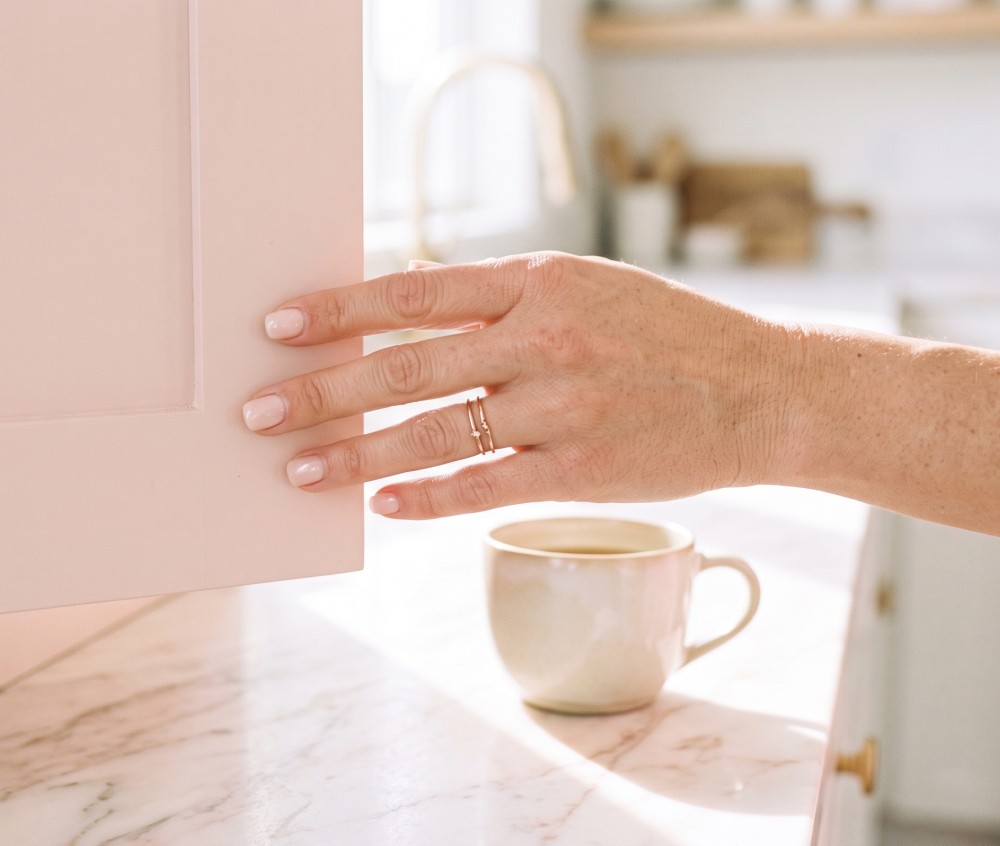
The fix is a simple, tactile exercise I call the silent touch drill. The next time you close a kitchen cabinet, don’t push it shut. Instead, use the pads of your two fingers to guide it until it clicks.
When you put your coffee mug down, place it on its base with the same care you would if someone were sleeping in the next room. This tiny shift from pushing to placing eliminates dozens of jarring sounds from your day.
Stop stomping your feet
Are you a heavy stomper? The biomechanics are usually the same: locked knees and hard heel strikes that send a jolt through your body and the floor.
Want to practice?
- Find a little open space in your room.
- Imagine you’re balancing your favorite (but not breakable!) book on your head.
- Walk from one side to the other, focusing on a smooth, gliding stride where your feet land softly. Avoid scuffing your slippers or dragging your sneakers.
This little exercise helps your body internalize what graceful movement feels like.
Speak with intention
Social anxiety often manifests as a breathless, high-pitched rush of words. We talk fast to fill silence or prove our point before we’re interrupted.
Learning how to speak softly and gracefully is about reclaiming your pacing. Try the two-second pause. After someone finishes speaking, count a silent “one, two” in your head before you respond.
This tiny beat breaks the reactive cycle and makes you sound infinitely more composed. Then, try lowering your natural speaking volume by just half a notch. You’ll find that people often lean in slightly to listen, making the conversation more intimate and focused.
Keep your tech habits quiet and gentle
Most modern clutter is tech noise. We carry phones that fill the room with harsh buzzes, loud taps, and yanked cords.
Start by watching the force in your fingers. Soften how hard you strike your keyboard, turn off audible keyboard clicks, and set your phone to silent or soft haptic mode so alerts don’t vibrate loudly across tables.
Care for your accessories, too. Avoid yanking charger cables straight from the wall by the wire. Take two extra seconds to grasp the plug head gently, untangle cords with patience, and set your devices down on hard surfaces with the same care as a glass dish.
Ditch the earbuds in conversations. Shouting “WHAT?” through active noise-canceling mode kills poise. When you step up to a barista, checkout cashier, or colleague, take both earbuds completely out of your ears, tuck them into your palm, and speak face-to-face. It shows immediate respect and instantly resets your volume.
Soft Feminine Body Language: How to Move with Grace
Our bodies hold tension in ways we don’t even notice until we consciously look for it.
A huge part of cultivating graceful, dainty body language is learning to identify and release that unconscious tension. It’s about creating softness in your own physical form.
Release the grip
Pay attention to your hands for a day. Are you white-knuckling the steering wheel in traffic? Gripping your phone like it’s a lifeline? Clenching your fork and knife while you eat? This is the death grip, and it’s a physical manifestation of stress.
The practice is simple: notice it, then intentionally release it. Cultivate loose, curved fingers and relaxed wrists. Let your hands rest gently on surfaces instead of pressing down.
This small change sends a powerful signal of calm to your nervous system.
Drop the tension in your shoulders
Stress loves to live in our shoulders. We hunch over keyboards and phones, letting our trapezius muscles creep up toward our earlobes, creating a tight, closed-off posture.
This frame reset is a quick, physical correction you can do anywhere. Consciously drop your shoulders down and back. Imagine widening the space between your earlobes and the tops of your shoulders. Keep your collarbone open and try to uncross your arms. This creates a longer, more elegant neckline and a posture of genuine confidence.
When sitting down, guide yourself into the seat using your core rather than collapsing backward onto the cushion with a loud sigh. Keep your feet planted flat or cross your ankles loosely, letting your knees rest naturally together rather than splaying outward.
Take micro-pauses
Frantic, jerky reactions are the enemy of grace. They’re what cause you to knock over your water glass when reaching for the salt or drop your keys while fumbling to answer a ringing phone.
The antidote is the micro-pause. Before you reach for anything, before you answer a door, before you pick up a pen that fell, stop for a literal half-second.
This tiny, imperceptible pause breaks the frantic energy. It cuts your daily spills and knocks in half and, more importantly, reinforces the mental habit of acting with intention rather than reacting with panic.
How to Look Dainty in Everyday Outfits

Let’s be clear: you do not need to dress like you’re auditioning for a period drama to look dainty. You can officially ditch the itchy lace, the baby-doll collars, and the endless sea of pink. The modern dainty wardrobe is about texture, scale, and silhouette.
Choose flowy fabrics over bulky materials
The secret is choosing fabrics that move with you, that drape and flow rather than standing stiff. Think about the sensory experience of your clothes.
Swap stiff, starchy cotton for fluid silk, fine-gauge cashmere, washed linen, or soft brushed rib-knits. These materials create a soft halo around the body and move beautifully, adding lightness and ease to your presence.
A simple silk camisole has more delicate energy than a polyester blouse covered in ruffles.
Swap chunky jewelry
Polish often comes from scaling down. Swap heavy, chunky statement necklaces for a whisper-thin chain that just catches the light at your collarbone. Trade oversized, clunky watches for a slim-dial version. A few delicate, stacked rings feel more personal and refined than one large cocktail ring.
We’re aiming to add points of light and interest that draw the eye in, rather than shouting for attention.
Pull off a delicate look in jeans and trousers
You can absolutely look delicate in tailored trousers, clean-cut denim, and flat loafers. It’s all about proportion.
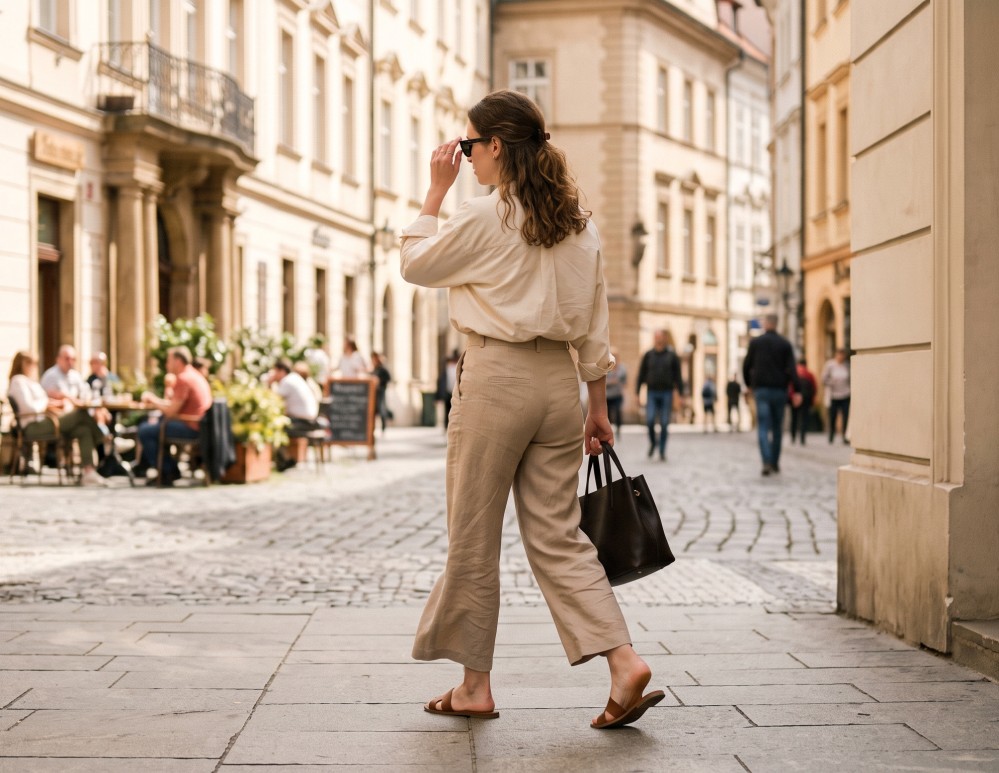
The rule of exposed articulation points is your best friend here. This simply means highlighting the narrowest parts of your frame—your wrists, your ankles, your collarbones.
A cropped trouser that shows a sliver of ankle, a sleeve pushed up to reveal the wrist, or a neckline that exposes the collarbone instantly lightens up any outfit. It’s a simple trick that makes even structured pieces feel more graceful and is a key part of learning how to dress with timeless class.
Minimalist Grooming Habits to Look Clean and Sophisticated
Your grooming choices also have a sensory impact. Daintiness in beauty isn’t about perfection but about a soft, clean, and gentle approach that feels good to you and is pleasant for those who get close to you.
The clean squoval manicure
Sharp, clicking acrylics can turn hands into claws and create a constant, tapping noise.
A neat, clean manicure can give an instant confidence. Consider a short-to-medium length with a soft, squoval (square-oval) shape. Of course, long nails look good too as long as you like them.
This style is practical and always looks polished. For color, think sheer milky pinks, translucent nudes, or even just a buffed, bare shine that looks healthy and cared-for.
Subtle scents that stay close to you
There’s nothing delicate about a perfume trail that enters a room before you do and gives everyone a headache.
Fragrance should be an intimate discovery. Stick to close-contact, skin-close scents like warm vanillas, clean white musks, soft ambers, or light body oils that only surface when someone is close enough for a hug.
These merge with your natural body chemistry to create something uniquely personal, like layering a subtle, cozy vanilla body lotion right after the shower.
Low-key makeup that enhances natural skin
Replace the heavy, matte look of baking and contouring with makeup that lets your skin show through.
A sheer skin tint, strategically placed concealer, and a dab of cream blush create a fresh, healthy glow. Brush your brows up to frame your face, and swap the opaque liquid lipstick for a balmy, dewy lip stain that gives a tinge of color and a lot of hydration.
A lip balm like the Indē Wild Dewy Lip Treatment gives a cushiony, glass-like sheen without the sticky residue that traps loose hair strands every time the wind blows.
Dainty Aesthetic Habits for a Calmer, Uncluttered Life
Inviting grace into your life happens in the small moments. These are the soft feminine habits that, when practiced consistently, take the noise and rush out of your daily existence. They are the true habits of an elegant woman.
- Eat without the rush: Instead of eating over the sink or in front of the TV, sit down at a table, even for a quick snack. Use real dishware. Set your fork down between bites. This simple practice transforms eating from a frantic refueling into a moment of peace.
- Audit your handbag: Once a week, take 30 seconds to clear out the junk from your purse—old receipts, gum wrappers, loose change, broken pens. When reaching into your bag is a calm, simple action instead of a frenzied, noisy search, you carry that calm with you.
- Slow down mornings: Wake up just ten minutes earlier than you need to. Use that time to sit and drink a glass of warm water in silence before you even look at your phone. Starting your day from a place of quiet, as detailed in the secrets of women who wake up beautiful, sets the tone for everything that follows.
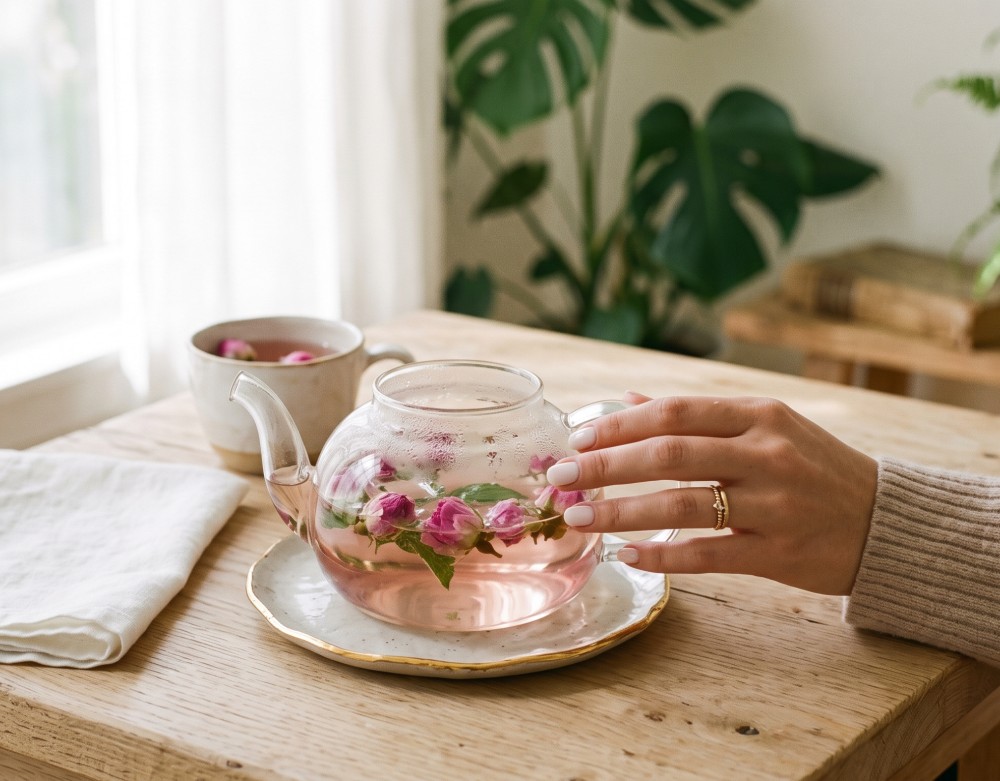
- Fill mugs mindfully: Stop filling your tea or coffee mug right up to the brim, then doing the panicked, hunched-over shuffle across the kitchen so it doesn’t splash onto your bare feet. Leave a solid half-inch at the top. Moving with ease is impossible when your whole body is locked in emergency balance mode over hot liquid.
- Unpack items immediately: Take bath salts out of bulky plastic bags and put them into glass jars. Slide grocery produce out of crinkly cellophane into soft mesh bags or ceramic bowls. Removing loud, crinkly packaging eliminates half the visual and audible clutter in your home.
- Stop carrying everything in one trip: Remember that chaotic pack-mule shuffle? Your laptop tucked under one arm, three water bottles wedged against your ribs, a tote slipping off your shoulder, and keys held between your teeth while you try to open the front door. Drop the ego. Take two calm trips. Nothing looks or feels less graceful than dropping an apple that rolls under your car because you refused to make a second walk.
- Glide drawers softly: Notice how you shut your dresser drawers when you’re late. You usually shove them with your hip or kick the bottom one with your foot. Practice guiding them shut with your fingertips until the wood touches the frame with zero bounce. Do the same with the doors, too.
Now, Why Being Gentle Doesn’t Mean Being Weak
This is the most important part. For too long, dainty has been confused with a doormat. The modern, empowered approach to grace understands that being gentle never, ever means saying yes to things that drain you or tolerating disrespect.
The same principle applies when learning how to be dainty in a relationship: bring warmth, thoughtfulness, and calm communication without making yourself smaller. Real grace leaves room for honesty, mutual respect, and firm boundaries.
In fact, the ultimate display of grace is holding a firm boundary with a calm spirit. You don’t need to raise your voice to be heard. A quiet boundary is often the most powerful. Practice saying, “That doesn’t work for me,” or a simple, “No, thank you,” with a level voice, zero anger, and zero need for a long-winded excuse.
When dealing with rude or chaotic people, unbothered composure is your superpower.
Refusing to be drawn into their drama shows immense self-control and self-respect. A soft tone paired with an immovable boundary is the highest form of elegance because it communicates that you respect others, but you respect yourself more. It’s an outer reflection of the inner strength you cultivate with tools like powerful beauty affirmations.
Frequently Asked Questions
Can I look dainty if I have broad shoulders, large hands, or a tall frame?
Absolutely, yes. Grace is not a size. It’s in your posture, the pace of your movements, and the lightness of your touch. Your bone structure is irrelevant when you master the kinetics of poise.
How do I stop moving so loudly when I am stressed or running late?
First, acknowledge the frantic feeling without judgment. Then, use a simple grounding trick: stop for one second, take one deep breath, and feel your feet flat on the floor. This small physical reset can break the cycle of scrambled energy and help you move with more intention, even when you’re in a hurry.
What is the difference between being dainty and the coquette trend?
It’s the difference between a lifestyle and an aesthetic. The coquette trend is a fleeting fashion and social media look defined by specific items like bows and lace. Daintiness, as we’re discussing it, is an enduring personal habit focused on mindful movement, inner calm, and intentional living that transcends any trend.
Will people think I am weak if I speak softer and move slower?
This is a common fear, but the opposite is often true. Loud, frantic energy can read as insecure or out of control. A calm, steady presence and a soft, measured voice actually command more respect and authority. People lean in and listen more closely when you aren’t shouting for their attention.
Now, over to you…
Learning how to be dainty isn’t about performing femininity perfectly. It’s about the sound of your movements, the pacing of your sentences, and the calm, confident space you hold for yourself. It’s for you, not a performance for others.
So today, choose one small thing. Start by setting your coffee cup down silently. That’s it.
What’s the clumsy habit you most want to change? Are you a car-door slammer, a heavy heel-stomper, or a phone-screen smacker? Drop your honest confession in the comments, and let’s laugh through the unlearning together.