
The 1920s gave women the vote, jazz clubs, and a haircut that genuinely scandalized their mothers.
Of everything that made a flapper look modern, the hair did the most work. It got cropped to the jaw or shorter, waved flat against the head, and finished with a beaded headband sitting low on the forehead.
A century on, Roaring Twenties hair keeps coming back. It turns up at Gatsby parties, on vintage brides who want something with a bit of history behind it, and every time another Jazz Age drama lands.
And the good part is, almost every one of these 1920s hairstyles was built to be set at home with pins, a comb and some patience, so they’re far more doable than they look.
Here are the best flapper hairstyles worth stealing!
Contents
Who the flappers actually were…
In the years after World War I, a generation of young women started dressing, dancing and behaving in ways their mothers found alarming.
The press called them flappers. They wore dropped-waist Art Deco dresses that skimmed the body instead of cinching it, they danced the Charleston in Prohibition-era speakeasies, and, most outrageously of all, they cut their hair off.
The hair was the real statement. Long hair had been shorthand for respectable femininity for generations, so cropping it read as a rejection of the whole arrangement.
Dancer Irene Castle usually gets the credit for starting it. She cut hers around 1915 because it kept getting in her way while she danced, and the “Castle bob” spread from there. Silent film stars pushed it further, first Mary Thurman early in the decade, then Colleen Moore and Louise Brooks by the mid-to-late 1920s. Even then, a bob still read as a shocking little declaration of independence.
My favorite detail is that hairdressers were completely unprepared. They’d trained to arrange and curl long hair, and suddenly nobody wanted that, so women queued outside barbershops instead, waiting to have hair cut off that had taken years to grow.
Two things get muddled a lot, and they’re worth getting right. Flappers weren’t suffragettes. American women won the vote in 1920, so flappers were the generation that grew up on the winning side of that fight rather than the one that waged it.
And the heavy makeup they’re remembered for wasn’t simply about looking alluring. Cosmetics had been tied to the stage and to disrepute, so putting on lipstick in public was part of the same refusal to behave. Every dropped waist and bared arm was another rule going quietly out the window, which is why flapper fashion still reads as freedom a century later.
What flapper hair actually looked like
Most of the flapper hairstyles you’ll see on Pinterest are variations on six things.
- The bob. Cut anywhere from just under the ear to the jaw, usually one length, often with blunt bangs.
- The shingle bob. A bob tapered and cut close at the nape so the neck was left bare.
- The Eton crop. The most severe of the three. Very short, slicked flat to the head, perfect under a cloche hat, and worn famously by Josephine Baker. The phrase first turned up in The Times in September 1926 and was already unfashionable by about 1930.
- The Marcel wave. Waves pressed in with heated tongs, named for French hairdresser François Marcel, who developed the technique in 1872 and later patented an electric waving iron.
- The finger wave. That same S-shaped ripple, but molded into damp hair by hand with fingers and a comb. No heat at all.
- The faux bob. Long hair pinned under to fake a crop, which is how plenty of women joined in without cutting a thing. Actress Lillian Gish is the usual example.
One detail explains a lot about the decade. Waves and curls were often what made short hair acceptable to the skeptics. As fashion historian Pamela Church Gibson notes in A Century of Hairstyles, a crop was tolerated “if it was softened and made to seem more ‘feminine’ by the judicious use of a Marcel wave, a ‘finger wave’ and later a perm.”
Before you start…
You need less than you’d think. For wave styles, get a fine-tooth comb, a strong-hold setting lotion or gel, some duckbill clips and enough time to let your hair dry properly. For curls and updos, it’s a curling iron or hot rollers, plenty of bobby pins, a heat protectant and a flexible-hold hairspray. Accessories do the rest. A beaded or jeweled headband worn low on the forehead reads as 1920s faster than any haircut will.
Bobs and short cuts
Ear-Length Bob
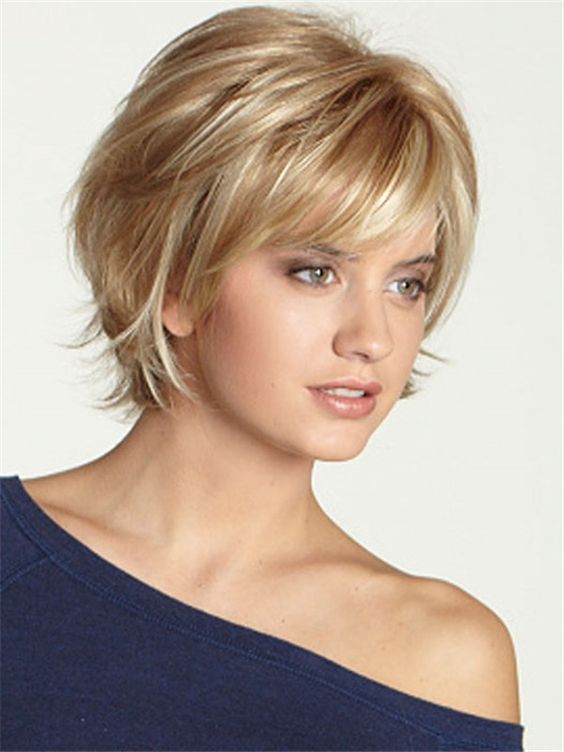
The shortest of the classic bobs, finishing just under the ear and usually paired with thick bangs. It’s the most committed version of the look, and it’s brilliant on fine hair, because a blunt line at that length reads as thick.
“This short to medium-length style is generally cut straight all-around to maintain the same length and has become one of the most popular and stylish haircuts for women who want a low-maintenance look,” explains Carmen Moore, the head stylist at TheHairstyleReview.
If you’re nervous, talk to your stylist before you commit. This is the length that sits awkwardly for a few months while it grows out.
Chin-Length Bob
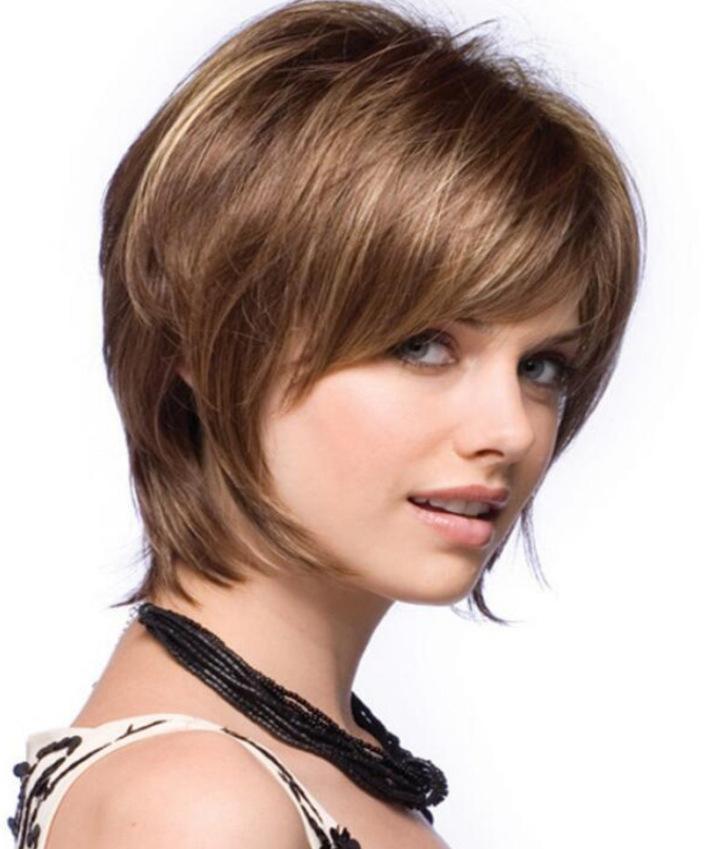
Sometimes called the flapper bob, this one’s forgiving. It’s long enough to tuck behind your ears or wave, and short enough to be unmistakably retro. It suits essentially every face shape, and a deep side part is what stops it from looking like a costume. If you’re weighing up bob lengths in general, my guide to hairstyles for a high forehead covers how bangs and angled cuts change your proportions.
Straight Bob
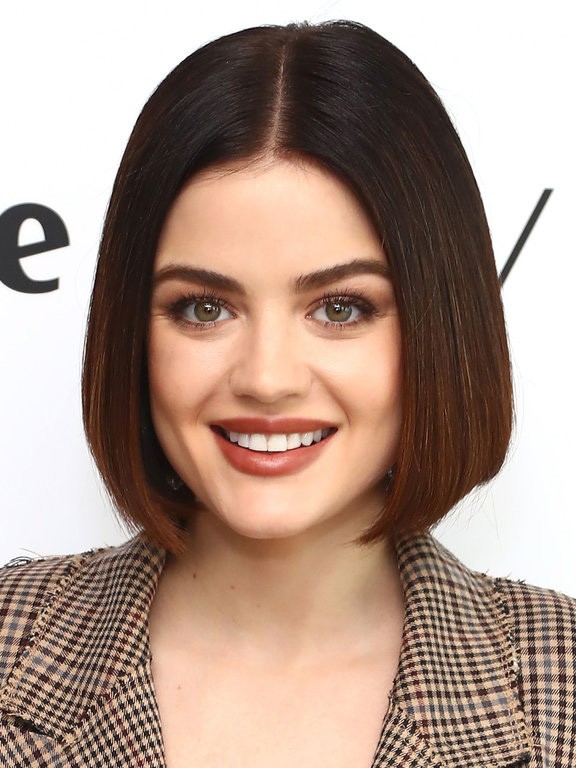
No waves, no curl, just a sharp one-length cut with strong bangs. This is the Louise Brooks silhouette, and it needs genuinely smooth hair to work, so your heat protectant and flat iron are doing the heavy lifting. It’s also the only look here that’s formal enough for the office.
Inward Bob with Curls
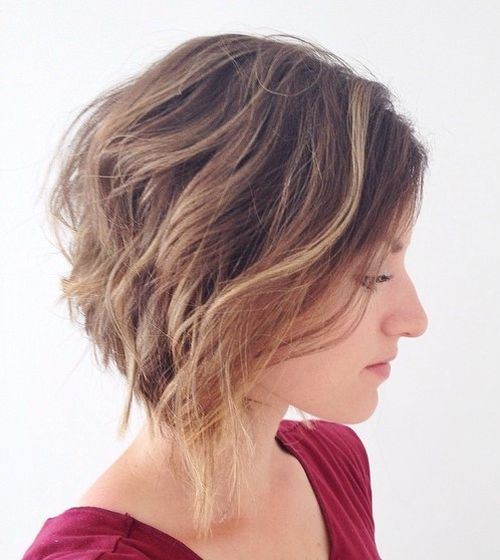
A bob with the ends curled under toward the neck, so your hair forms a soft C instead of a blunt edge. Use a medium-barrel iron and always roll toward your face, then brush the whole thing out so the curls blend into one shape rather than reading as separate ringlets. Softer and more forgiving than the blunt version, especially if your hair already has movement in it.
Vintage Faux Bob
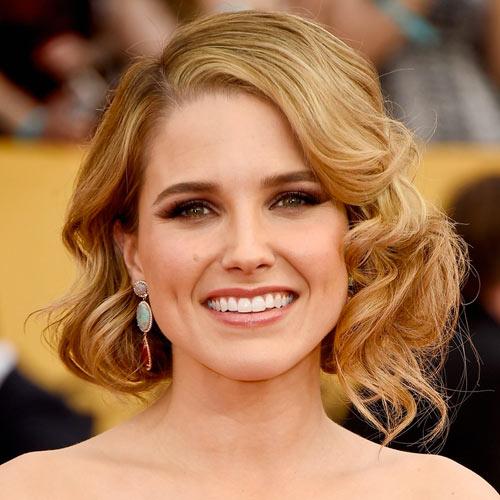
The cheat, and a genuinely period-accurate one. Curl or wave your hair, roll the lengths under at the nape, then pin them so it looks like a chin-length bob from the front. Pin the ends firmly, mist over the top, and the illusion will hold all evening. If you love the look but you’re not cutting anything, this is the most useful style on the whole list.
Waves and curls
Finger Waves
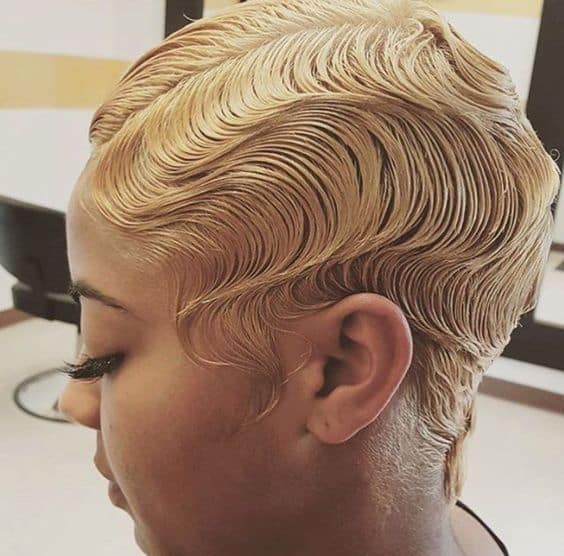
The defining 1920s texture, and the one that takes real practice.
Work a strong-hold gel through damp hair, then use a comb and your index finger to push the hair into alternating S-shaped ridges, clipping each ridge as you go. Then leave it completely alone until it’s bone dry.
Finger waves were made famous by performers including Josephine Baker, whose stylist Monsieur Antoine was arguably the first celebrity hairdresser, and by screen stars like Bette Davis. They came back around in the 1990s through hip-hop, which is why they somehow read as vintage and current at the same time.
Here’s the easiest tutorial I found on making finger waves:
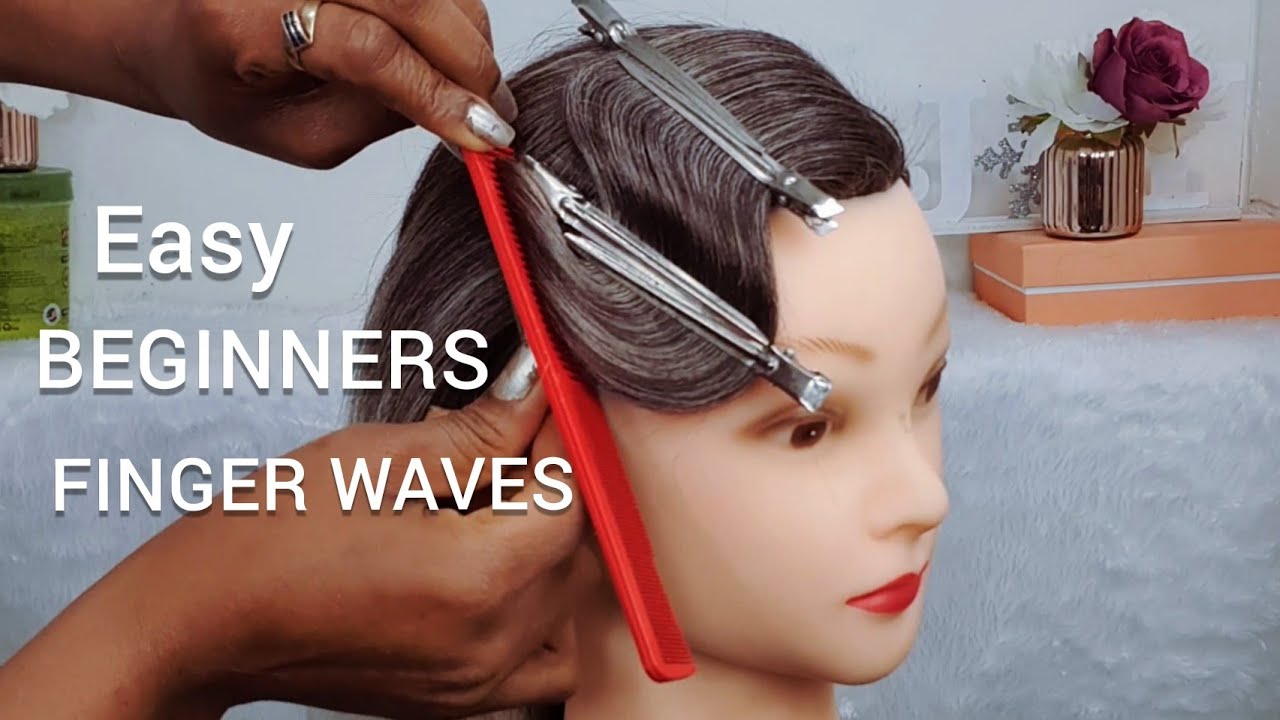
They also work beautifully on short wigs if you’d rather practice off your own head, so have a look at my notes on styling a short wig.
Pin Curls
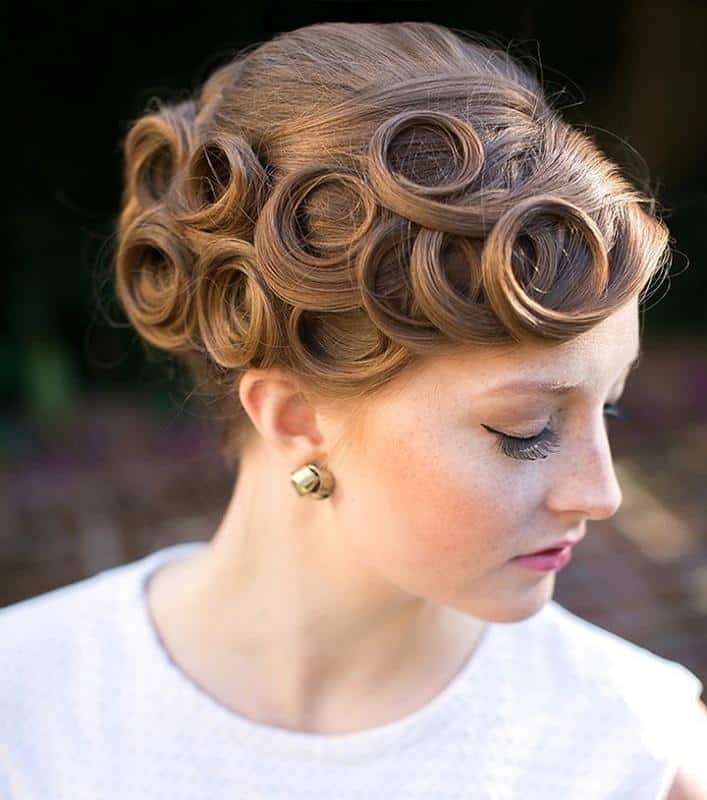
The original heatless set, and still one of the best. Start with damp hair and a little balm or setting lotion, wind small sections into flat coils against your scalp, then pin each one. Leave them to dry, ideally overnight, and brush out into soft waves in the morning. No heat damage whatsoever, and you get a genuinely 1920s texture that lasts a couple of days.
Flowy Curls
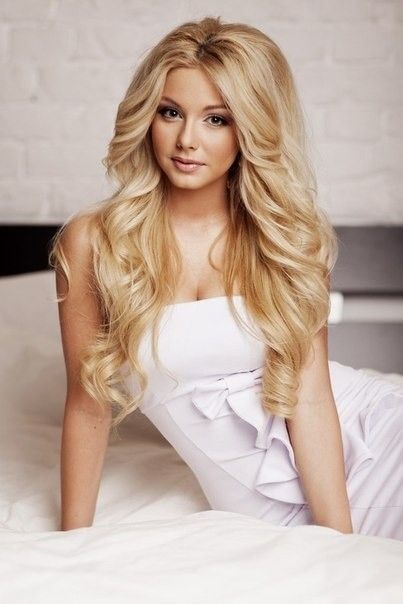
Loose, romantic curls worn down. It’s the least strictly accurate look here and easily the easiest to wear. It pairs well with Romani makeup. The style came out of Parisian salons and traveled fast. Tongs or rollers both work, and the real trick is brushing the set out properly so it moves like hair and not like a wig. Good for a party where you want a nod to the era rather than a full costume.
Classic Sophisticated Curls
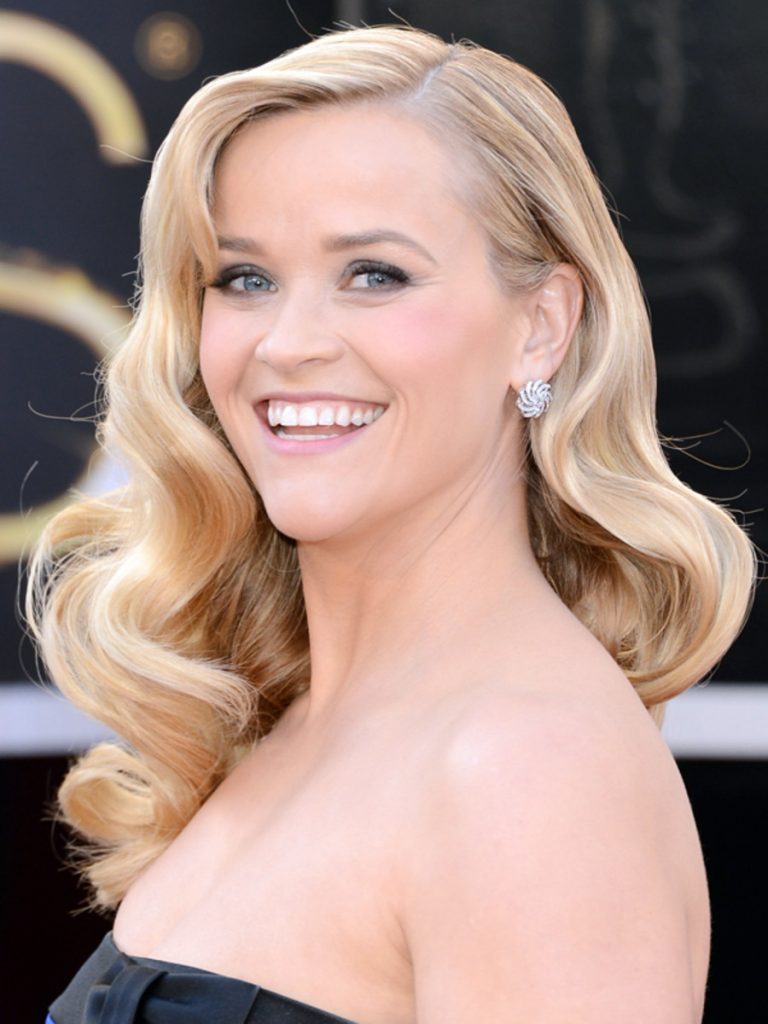
Soft curls tucked inwards and close to the head, for a polished finish that carries from day into evening. This is the beginner-friendly one, because the curls sit tucked rather than loose, so small mistakes just disappear. A shine spray at the end does more for the vintage effect than any amount of extra curling.
Rolled-In Curls
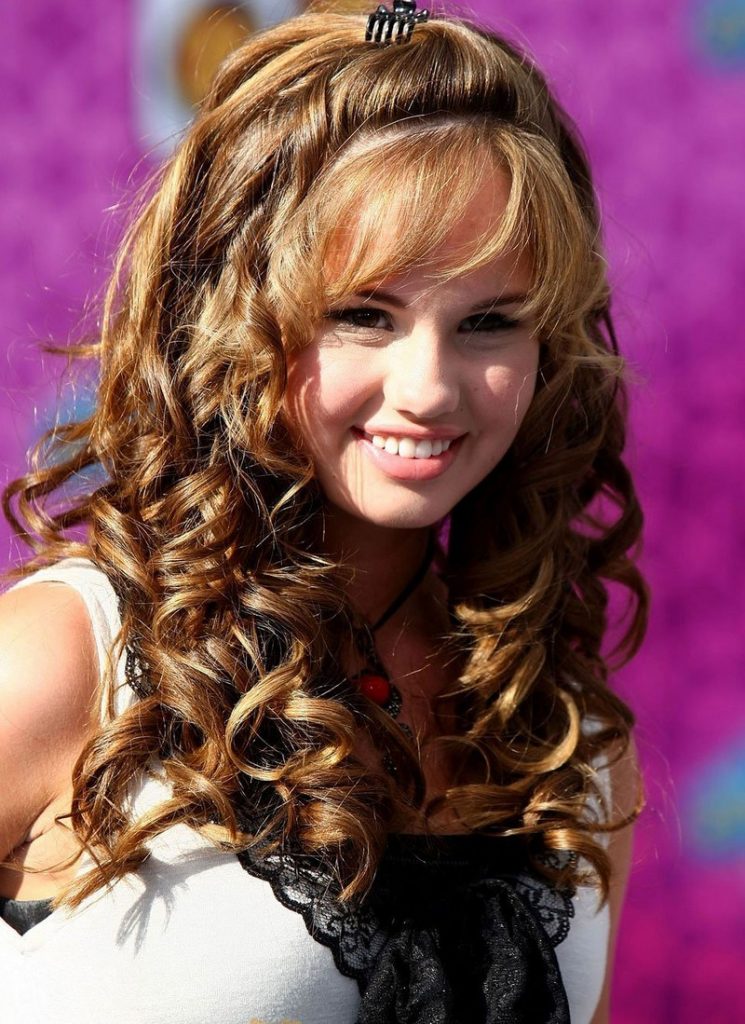
Also called the drop curl, this uses hot rollers or an iron to spiral the hair inwards and add body to flat, straight hair. It works on short and long lengths equally, and it’s one of the few looks here that sits happily with jeans as well as with a beaded dress. Use large rollers on low heat, and let them cool completely before you unpin anything.
Sculpted Classic Curls
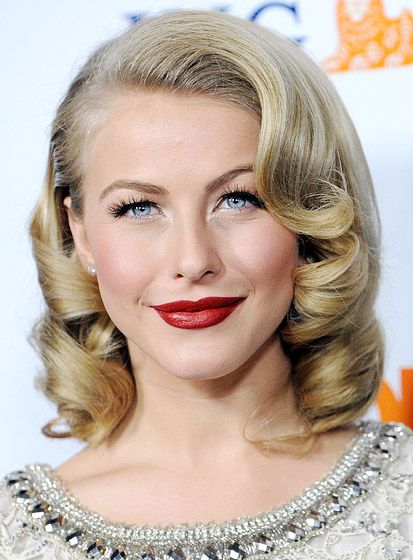
Smooth and flat through the top of the head, with the ends worked into defined, sculpted curls. The contrast is the entire point, because it’s the sleek crown that makes the curls look deliberate. Worth knowing that this one really belongs to the 1930s rather than the 1920s. Mae West, who often gets attached to it, built her image on the corseted curves of an earlier era precisely because the flat, straight flapper silhouette didn’t suit her.
Updos and buns
Curly Updo
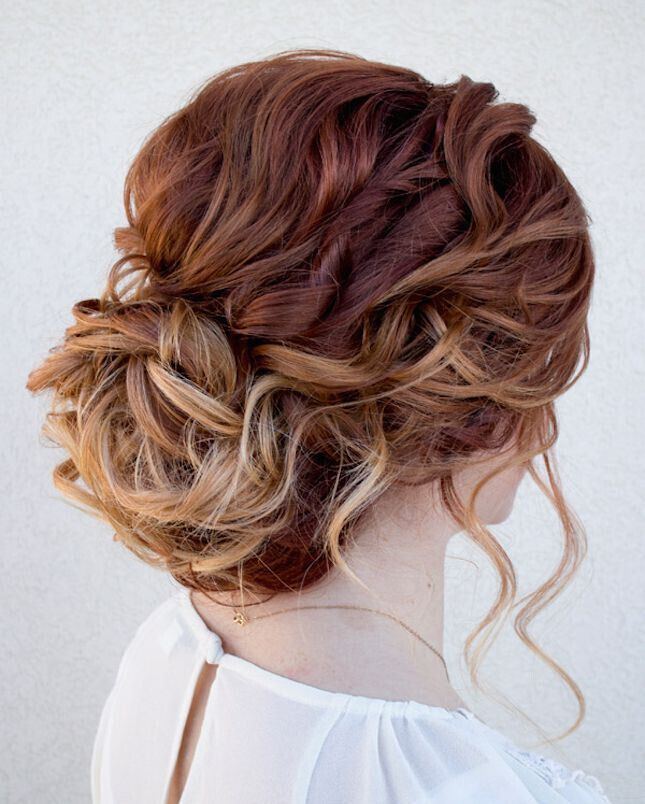
Flappers with longer hair pinned it up rather than wearing it down, and “loopy” or clipped curls gathered high were a common solution. Curl your whole head first, then pin the curls upwards in sections and leave a few pieces loose at the temples. It reads formal, which makes it a strong choice for a wedding or anything black tie.
Updo with a Headband
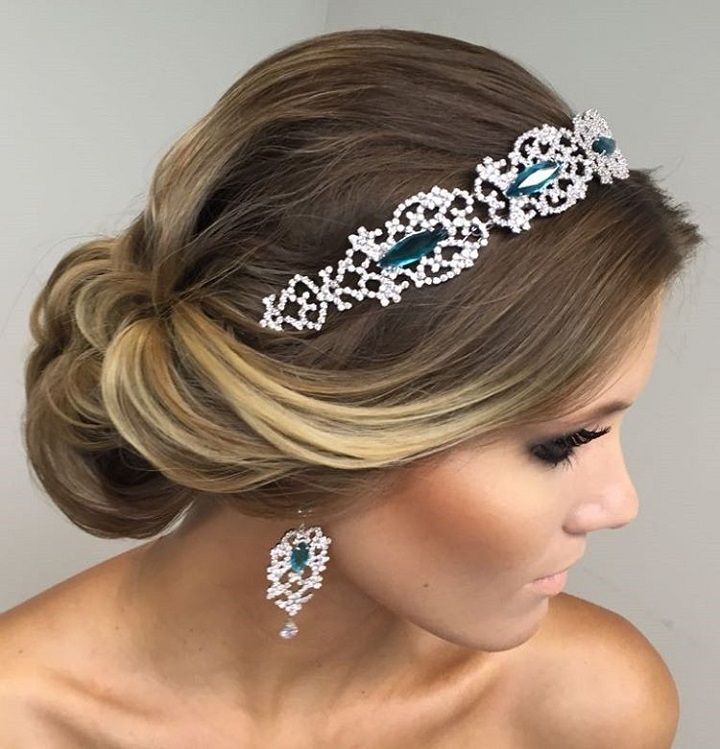
The fastest route to the era, no question. Make a messy bun, centered or off to one side, then add a jeweled or beaded headband low across the forehead. Five minutes, no skill needed, and it works on long hair you haven’t cut. If you want the headband doing even more work, heatless headband curls set overnight give you the texture to go with it.
Curled Bun
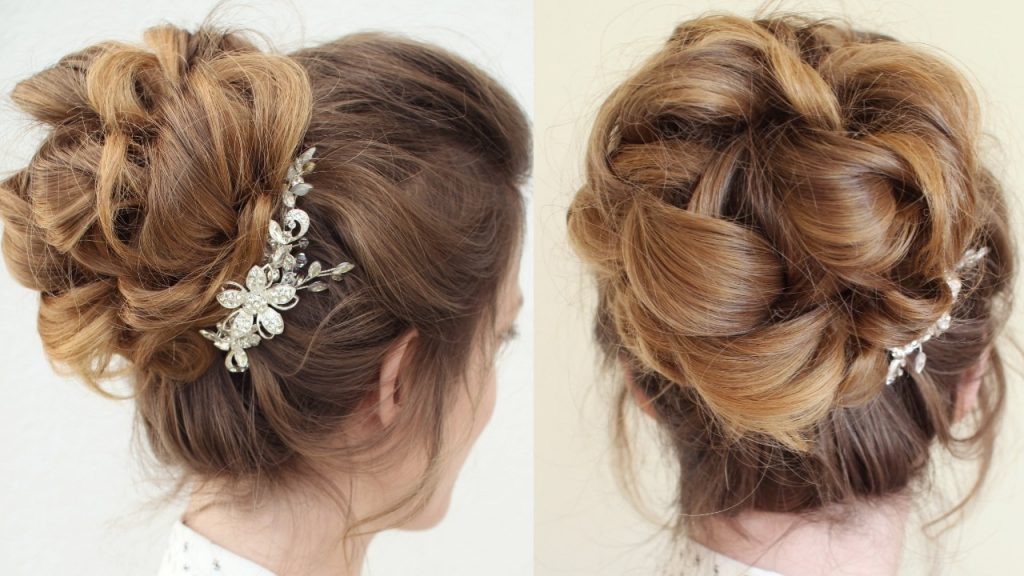
A bun, but with the sections curled before you pin them, so the finished shape has texture and dimension instead of sitting flat against your head. It works low at the nape or off to one side. Decorative pins are what lift it from everyday to evening.
Classic Low Bun
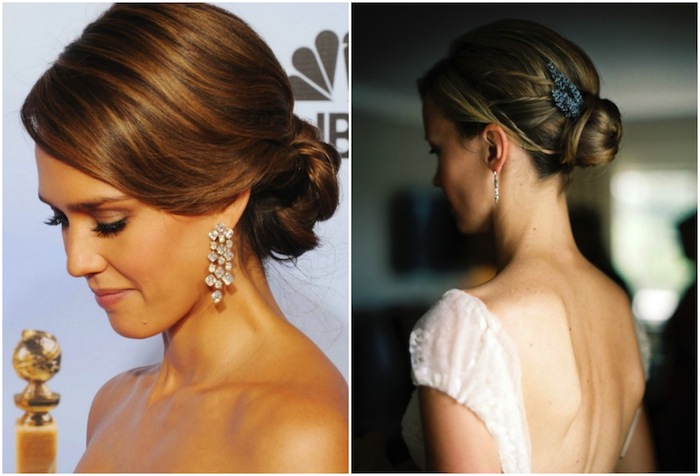
Worn low at the back of the head, usually with a few pieces left out at the sides. It was popular precisely because it let women with long hair look as modern as their dresses without a trip to the barber. These days it takes about ten minutes to gather low, twist, pin and mist.
Accessorized flapper styles
The Daisy Buchanan
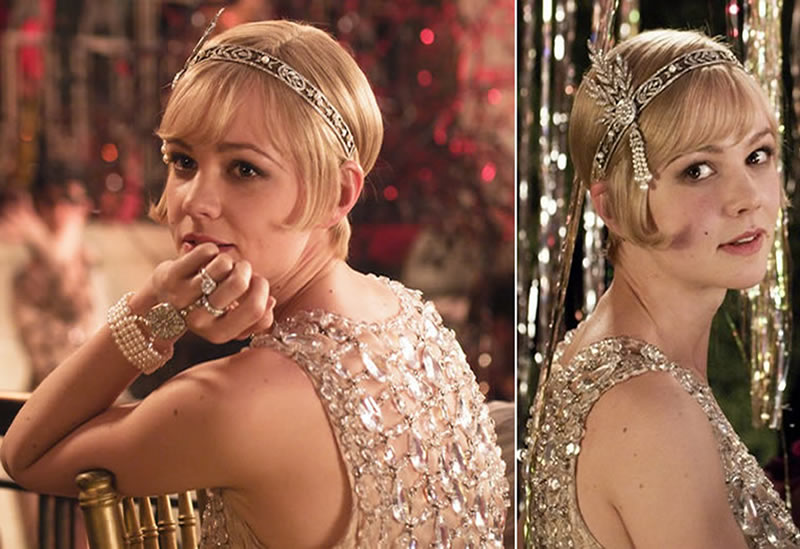
Straight short hair, bangs and a statement headband. It’s the look every screen adaptation of The Great Gatsby reaches for. Fitzgerald never actually describes Daisy’s hair in this much detail, so what we’re recreating is really a costume-department invention, which is no bad thing. It’s instantly readable as 1920s and it takes almost no styling.
Headband Hairstyles
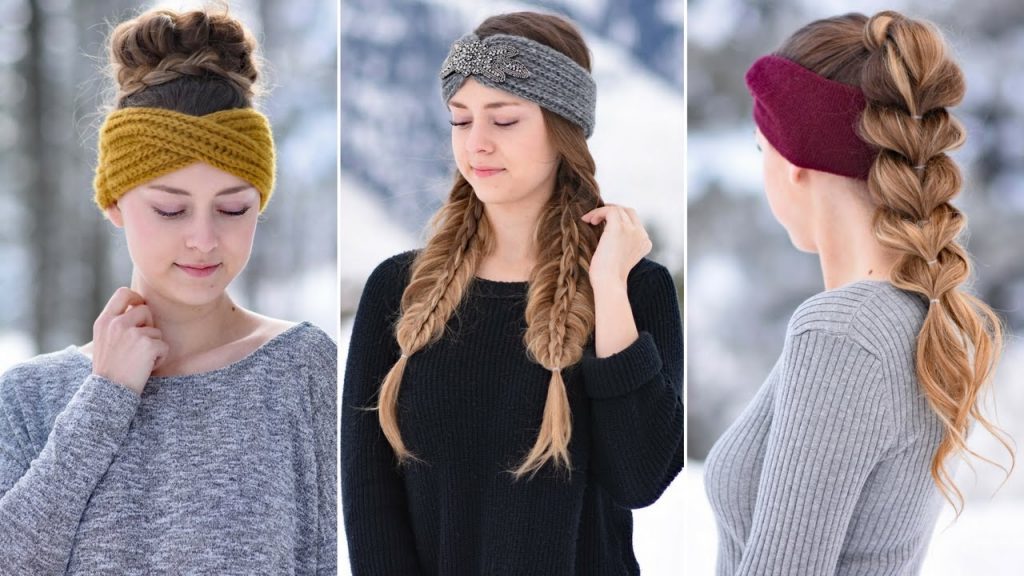
The humble hair accessory has outgrown its original job. Beaded bands, pearl bands, feathered bands and tiara-style bands all give a 1920s effect, and placement matters far more than the piece itself. Low on the forehead is period. Pushed back like an Alice band is not. Slide it on last, over finished hair, so it doesn’t flatten your waves.
The Head Wrap
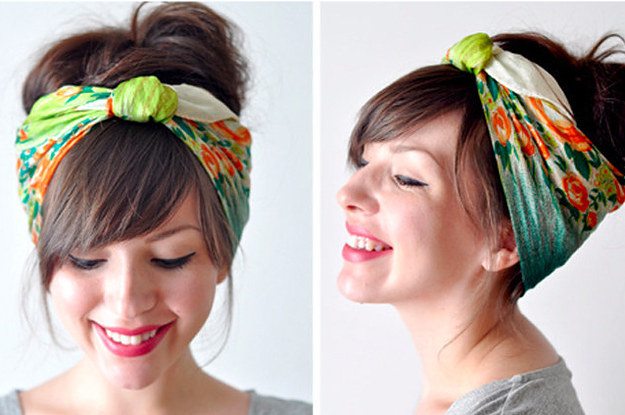
Turbans and wrapped silk scarves were genuinely of the moment in the 1920s, partly because they solved a real problem. They kept hair contained while women were working, walking and, increasingly, driving. Wrap your hair around your head and secure it with pins, or use a wide scarf tied at the nape. It’s still one of the most useful looks here for a bad hair day, and it needs no heat at all.
The Barrette Trend
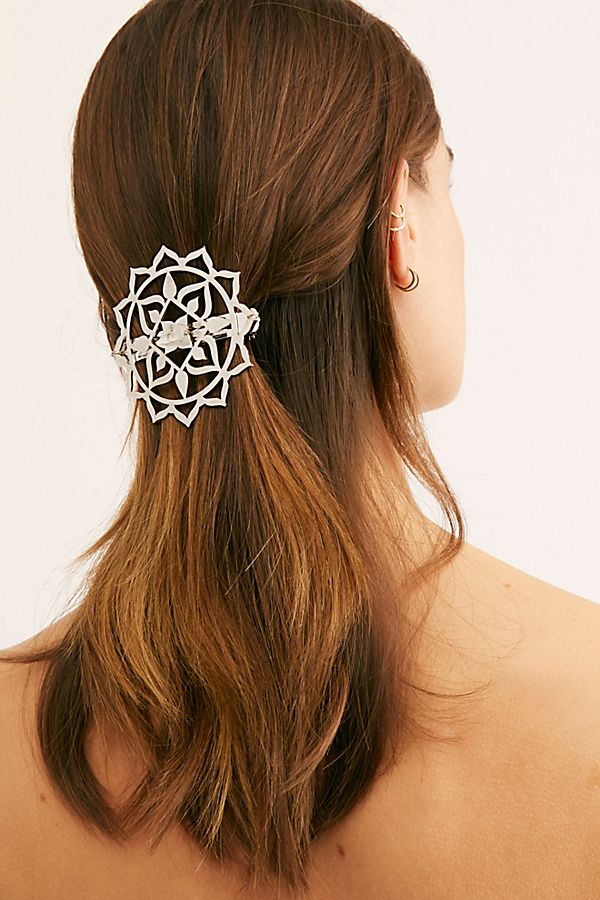
Barrettes are back in adult rotation, and they’ve earned their place here. For women who didn’t want to crop or wave, a decorative clip was the entire styling plan. Jeweled barrettes work particularly well pinned into a bun or at the side of a low updo, and two matching clips, one either side, read more vintage than a single one does.
Feathered Hairstyle
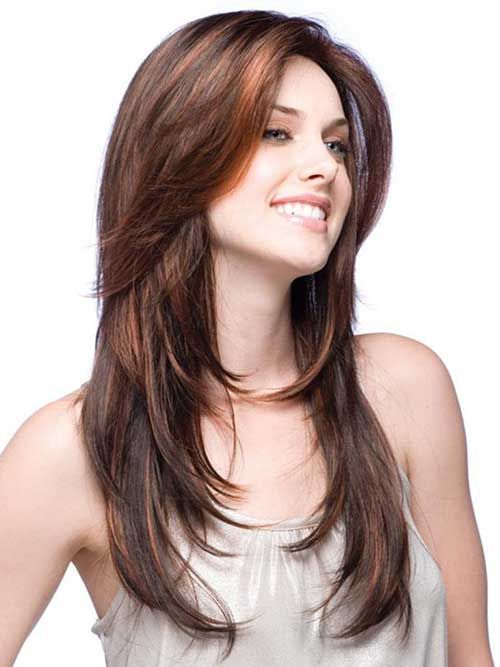
Short, light, softly layered hair that framed the face without swallowing it, and at its dressiest, actual feathers pinned in. Flappers decorated their sets with feathers, beads and clips, so reach for this one when you want maximum drama. It still shows up at weddings and race days like the Derby, where a feather is the point rather than an eccentricity.
Frequently asked questions
Did flappers have long or short hair?
Both, in practice. Short was the defining trend, but plenty of women kept their length and faked it with a faux bob, or pinned it into a low bun. If a source tells you every 1920s woman was cropped, it’s oversimplifying.
What’s the difference between a finger wave and a Marcel wave?
The finished ripple looks much the same, but the method is completely different. Marcel waves are pressed into dry hair with heated tongs, while finger waves are molded into damp hair by hand with a comb and gel, then left to set. If you’re avoiding heat, finger waves are your answer.
Can I do flapper hair on long hair?
Yes, and you’ve got three good routes. A faux bob, a low bun with a headband, or a curly updo will all get you there, and not one of them needs scissors.
Will finger waves work on curly or natural hair?
They can, and the texture often holds the ridge better than straight hair does. You’ll want a stronger gel, smaller sections and more drying time. Starting on freshly washed, well-detangled hair makes a real difference to how cleanly the waves set.
What’s the easiest flapper hairstyle for a Gatsby party?
A messy low bun with a beaded headband, every time. It takes five minutes, it works on uncut hair, and paired with a fringed dress and a long string of pearls, nobody will question the decade. If you’ve got a bit more time, pin curls set the night before will give you the texture underneath.
Which accessories are actually period-accurate?
Beaded and pearl headbands worn low on the forehead, cloche hats, silk turbans, jeweled barrettes and feather clips. Rhinestone tiaras pushed back on the crown are a modern invention, though nobody at a themed party is going to hold it against you.
Is any of this damaging?
The heatless options are among the gentlest styling you can do, including pin curls, finger waves, faux bobs and head wraps. The risk sits with repeated tong work on the same sections, and with pinning tightly at the hairline, which is worth avoiding if your edges are fragile.
How long do these take?
A headband updo is five minutes. Curls and buns run 15 to 30. Finger waves are the outlier, so budget an hour the first few times, plus drying time on top.
Bottom line
Flapper hairstyles have lasted a century because they were built for real life—they’re easy, sassy, and feminine. They were set at home, held with pins, and designed to look sharp under a cloche hat. Start with something low-commitment, whether that’s a headband updo, a set of pin curls or a faux bob. If you fall for the look properly, the bob will still be waiting for you.

Loved this post! The pictures are amazing and really helped me get the inspiration for my upcoming 1920s themed party. I especially loved the Louise Brooks-inspired bob, it’s so classic and elegant. Can’t wait to try out some of these hairstyles!
I absolutely loved this post! The flapper hairstyles are so iconic and really capture the spirit of the 1920s. I can’t wait to try some of these styles for my next vintage-themed event!
Absolutely loved this post! The flapper hairstyles are such a beautiful glimpse into the 1920s.
I absolutely loved this post! The flapper hairstyles are so iconic and truly capture the spirit of the 1920s.
Absolutely love this collection of flapper hairstyles! The creativity and glamour of the 1920s come alive through these looks. I especially adore the finger waves—such a classic style! Definitely feeling inspired to try something new.