
Nobody can say exactly when massage started. There’s evidence of it in India as far back as 1500 BCE, and some say it goes back even further than that.
What we do know for sure: people have been reaching for a good massage as a beauty fix for a very long time, apart from muscles.
Most people think of massage as something that helps sore muscles recover faster, and it genuinely does. But that’s really just the warm-up.
There’s a longer list of benefits of body massage for beauty that most people never connect to a massage table, and that’s what’s actually worth talking about here.
1. Post-Massage Glow
The flush you get after an hour on the table isn’t magic or activated energy, just better blood flow doing its job.
Rhythmic pressure warms the tissue and forces local blood vessels to dilate. When capillaries open up, fresh, oxygen-rich blood rushes to the surface, delivering the micronutrients your cells run on while sweeping away metabolic waste.
Researchers at the University of Illinois Chicago tested this by measuring blood flow in limbs before and after massage. They found that vascular function jumped immediately and stayed elevated for nearly two days, even in people who hadn’t exercised at all. That sustained microcirculation is the secret behind achieving genuine, healthy glowing skin without counting on highlighter.
2. Drains Puffy Mornings
If you wake up with a swollen jawline or heavy eyes after a salty dinner and five hours of sleep, poor circulation is only part of the problem. The bigger offender is stagnant lymph fluid.
Your cardiovascular system has a heart to pump blood around. Your lymphatic system has nothing. It relies fully on physical movement, deep breaths, and outside pressure to push fluid through your lymph nodes to be filtered.
When you sit still or sleep flat, fluid pools in the face. Light, sweeping massage strokes move that trapped water toward the drainage nodes behind your ears and along your collarbones. It’s one of the most underrated beauty benefits of massage—a fast, non-invasive way to get your cheekbones back.
3. It’s Exfoliation Without the Grit
We shed about 30,000 to 40,000 dead skin cells every single minute. When those cells clump together instead of falling away, light hits your face unevenly, leaving you with that dull, chalky texture no moisturizer seems to fix.
The gentle, steady friction of a therapist’s hands across oiled skin rolls away that loose surface buildup naturally. It’s like a mechanical exfoliation that doesn’t rely on crushed walnut shells or stinging fruit acids. You get smoother skin without compromising your moisture barrier.
4. Actually Forces Moisture into the Skin
Putting body lotion on dry, cold skin in the winter usually feels like watching the product sit on top like paint.
During a massage, two things change that dynamic:
- The friction creates warmth, which lowers the thickness of botanical oils (like jojoba, squalane, or sweet almond).
- Repetitive strokes press those fatty acids directly into the cracks between your skin cells instead of leaving a film on top.
Your skin absorbs the lipids instead of wearing them, which is why your arms and shins stay soft for days afterward instead of turning ashy by the evening.
5. Resets Your Hormones to Halt Stress Breakouts
The most powerful biological change happens in the brain-skin axis. A massage triggers feel-good neurochemicals while slamming the brakes on damaging stress hormones.
During a session, your body releases oxytocin, the calming, bonding hormone, along with a steady surge of serotonin and dopamine. At the exact same time, it halts the production of cortisol.
Cortisol is an absolute wrecking ball for your complexion: it degrades structural proteins, dries out the moisture barrier, and sparks inflammatory breakouts. Clinical trials from the Touch Research Institute found that massage therapy dropped cortisol levels by an average of 31%, while giving serotonin and dopamine a matching 30% lift.
When your nervous system finally flips from panic mode to rest-and-digest, systemic inflammation cools off, blood returns to the surface, and your skin can actually focus on repairing itself.
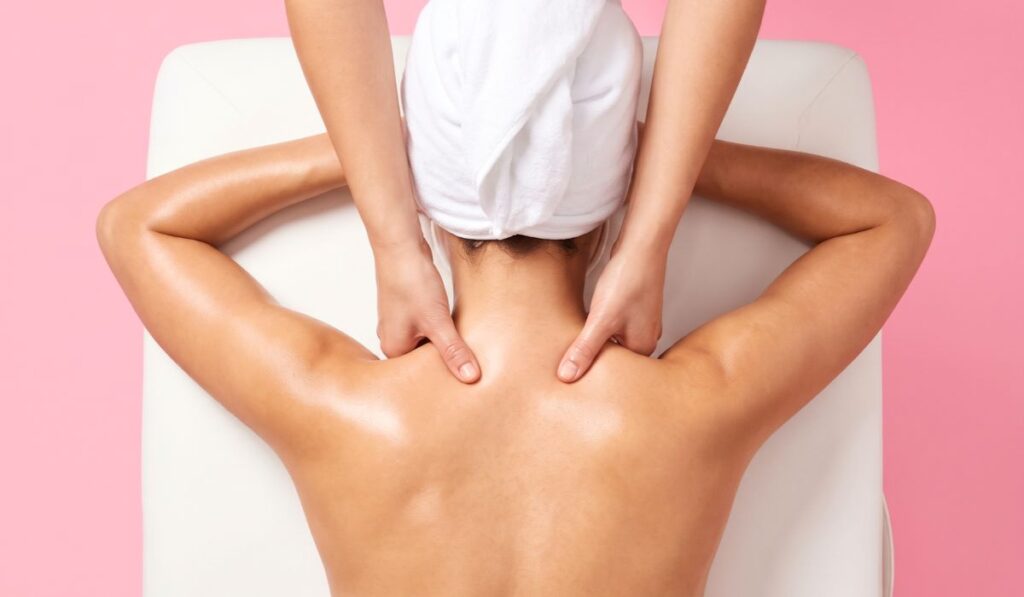
Does Massage Work on Wrinkles and Skin Tightening?
Let’s set the record straight. A massage:
- Will not erase deep wrinkles. Those happen because collagen breaks down deep in the dermis from years of UV exposure and natural aging. Rubbing your skin won’t stitch collagen back together.
- Does not detox your face. Processing toxins is your liver and kidneys’ jobs, not sweat glands and pores.
- Cannot replace a surgical lift. Facial sagging comes down to shifting fat pads and bone resorption.
For skin tightening, massage acts as a support rather than a quick fix. What it does do immediately is take your face out of a permanent clench.
Most of us spend eight hours a day squinting at screens, biting our lips, and clenching our jaws. Over time, hyper-tight facial muscles carve dynamic expression lines into permanent creases. By releasing chronic tension in the forehead and jaw, massage lets the skin drape flat again. You don’t look ten years younger, but you immediately look well-rested.
There’s even interesting lab data here. A study published in PLOS ONE looked at skin tissue exposed to a massage device over several weeks. The researchers found that regular mechanical stimulation kicked lazy fibroblasts into gear, spurring them to produce higher levels of collagen and elastin proteins.
It won’t replace sunscreen or prescription retinoids, but keeping the tissue active clearly sends a repair signal to your cells.
Are There Any Side Effects to Watch For?
While generally safe, massage isn’t completely without risks if done incorrectly:
- Breakouts and purging. Heavy carrier oils like coconut or wheat germ oil left on acne-prone or congested skin can spark clogged pores and comedones. Always double-cleanse your face after a session if you’re prone to acne.
- Bruising or broken capillaries. Excessive, aggressive pressure—especially with facial tools like gua sha or wooden massage rollers—can rupture delicate capillaries around the nose and cheeks.
- Friction irritation. Performing massage on dry skin without enough slip creates micro-tears and barrier irritation. Always use an oil or rich balm with plenty of glide.
- Some contraindications. Avoid vigorous massage over active cystic acne, open wounds, sunburn, rosacea flare-ups, or fresh cosmetic injectables (wait at least two weeks post-Botox or filler).
How to Make It Count
A massage twice a year on vacation is nice, but it won’t change your baseline. The real shift happens when you make it consistent:
At home (2 minutes at night): You don’t need jade rollers or vibrating wands. When applying your evening cleansing balm or face oil, use your knuckles to work along your jawline, stroke upwards over your cheekbones, and sweep gently down the sides of your neck to flush fluid.
At a studio (Monthly or Bi-Weekly): If you want heavy lifting—like ungluing tense shoulder muscles that pull on your neck and limit facial circulation—you need an expert. If you’re local to the area, take the time to find a reputable physio in Botany who understands neuromuscular anatomy and myofascial release, rather than just booking a generic relaxation rub.
A full-body massage is not an indulgence you have to earn after a terrible week. It’s routine maintenance, and the real benefits of massage for beauty will start compounding into softer, clearer, and genuinely healthier skin.

I really appreciate this guide about the benefits of body massage. I learned a lot from it. You have great content and we follow you all the time. Just keep sharing the good stuff.