
No matter what luxe skincare I try, I keep coming back to ubtan. It’s the OG multitasker—a cleanser, exfoliator, and mask in one—that Indian brides have sworn by for centuries.
This Indian traditional mask uses whole, plant‑based ingredients instead of regular chemicals to deliver a festive glow that rivals any high-end facial.
Ready to look like you drink a gallon of water a day? Grab a bowl because I’m sharing the homemade ubtan recipe that changed my weekend ritual.
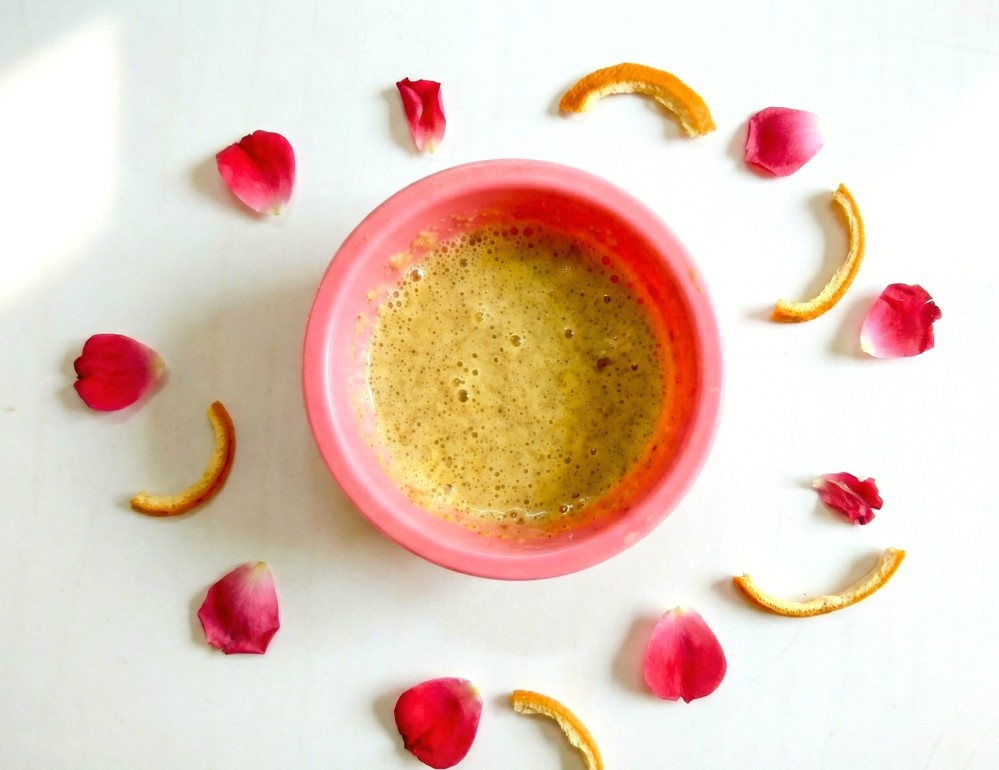
Contents
What you’ll need
- Besan (Chickpea flour): 3 tbsps
- Whole wheat flour: 1 tbsp
- Orange peel powder: 1 tbsp
- Oats (ground): ½ tbsp
- Neem Leaf Powder: ½ tbsp
- Wild turmeric: ½ tbsp
- Multani mitti (Fuller’s Earth or Bentonite clay): 1 tbsp
- Aloe vera gel: 1–2 tbsp
- Milk or rose water: 2 tbsp (milk for dry skin, rose water for oily)
- A squeeze of lime juice
Triple up the quantity of ingredients if you want to apply ubtan to your body too.
Benefits of the ingredients…
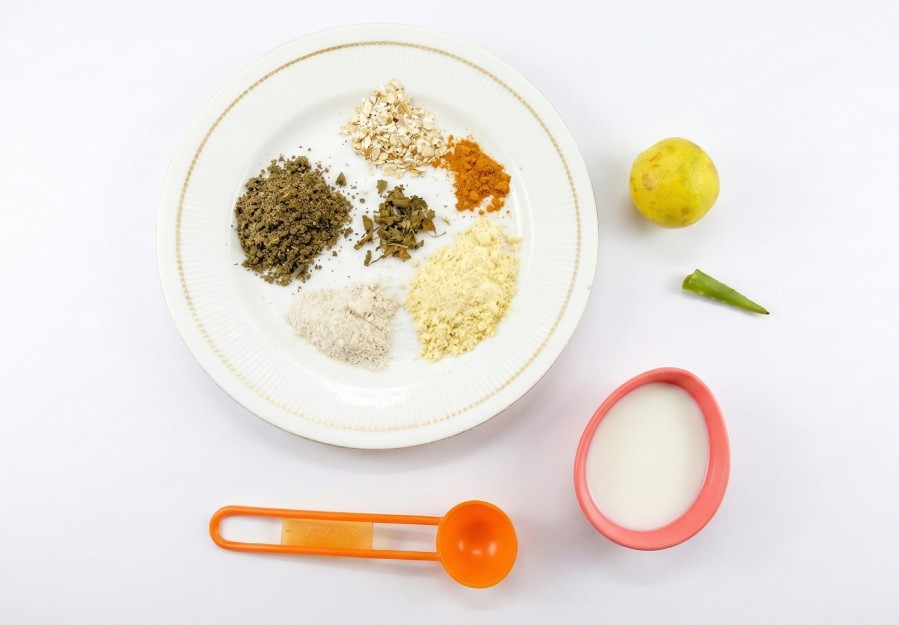
- Besan (chickpea flour): The heavy lifter. Packed with zinc and omega fatty acids, it fights inflammation and brightens hyperpigmentation. It’s often praised for its natural skin whitening abilities (brightening dull spots, not bleaching), which is the secret behind that baby-soft feel.
- Whole wheat flour: Not just for baking. It’s loaded with antioxidants like ferulic acid to protect your skin barrier and help with gentle scrubbing.
- Orange peel powder: A Vitamin C bomb. It’s rich in hesperidin to remove tan, dark spots, and UV damage. Plus, it smells divine.
- Oats: The soothing bestie. Perfect for sensitive skin, it calms redness and locks in moisture thanks to beta-glucans.
- Neem leaf powder: Soothes breakouts. Its antibacterial powers keep acne away and calm irritated skin.
- Wild turmeric: The glow-getter. You get all the anti-inflammatory benefits of curcumin without turning your face yellow. If you love turmeric, check out these turmeric face mask recipes.
Sink safety tip: Turmeric (even the wild kind) can sometimes stain light-colored sinks or washcloths. Rinse your sink immediately after washing your skin to avoid yellow stains, and maybe don’t use a white towel for this one.
- Multani mitti: The detoxifier. It acts like a magnet, pulling excess oil and gunk right out of your pores.
- Aloe vera: Hydrates, heals, and soothes sun-exposed skin instantly.
- Milk: Lactic acid is a gentle exfoliator that dissolves dead skin cells while milk fats nourish deeply.
- Lime juice: Brightens and detans. A natural hit of Vitamin C for firm, radiant skin. Skip if you have sensitive skin.
How to Make Ubtan At Home: Step-by-Step
Prep time: 5 minutes
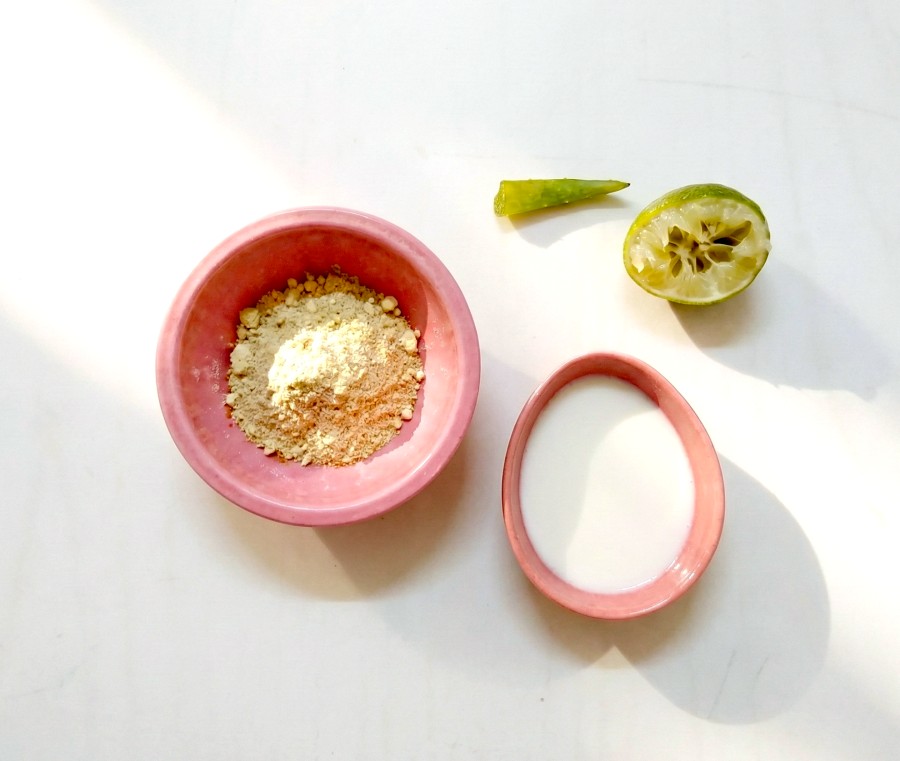
- Mix all the dry ingredients in a bowl. Sift it if you can—it makes a huge difference in texture. Store this ubtan powder in an airtight jar for future use.
- Take 1–2 tablespoons of your powder and mix in the wet ingredients until it looks like a smooth smoothie. Consistency should be like a pancake batter—thick enough to spread but not drip.
- Apply it to your face (avoiding eyes) or body. Relax for 15-20 minutes. Put on a podcast or your favorite music.
- Before it dries completely (don’t let it crack), wet your hands and scrub gently in a circular motion. This gentle exfoliation buffs away dead cells.
- Wash it off with lukewarm water and enjoy fresh skin. After using ubtan, I like to apply a few drops of facial oil or moisturizer over my skin to lock in moisture.
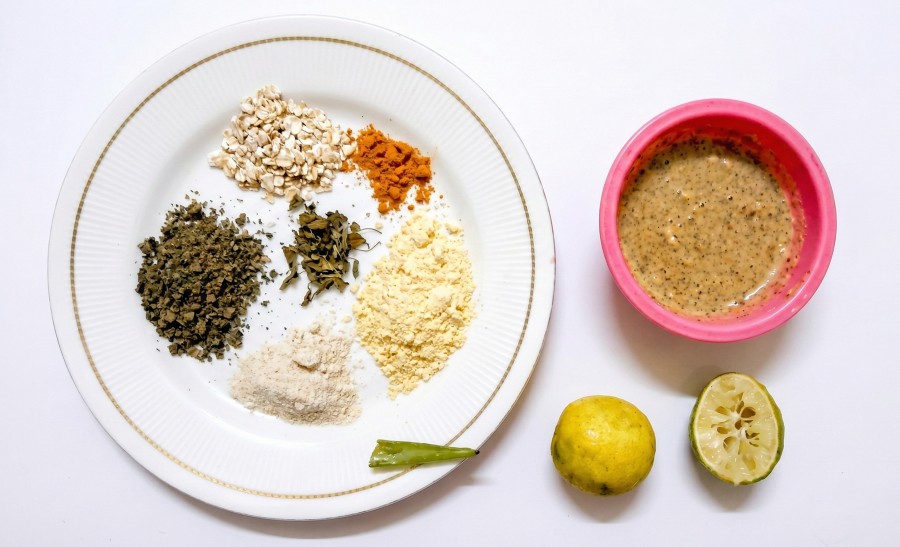
Note: Because the mask contains gentle acids from milk and lime, your skin may be slightly more sensitive to sunlight, so don’t forget sunscreen if you plan to go outside.
Many ask: Does ubtan remove facial hair? The answer is, kind of. While it won’t laser hair off, the circular scrubbing motion can weaken hair roots over time and remove fine baby hair, aka peach fuzz, which is why most brides use it.
How to Customize This Recipe
Here’s how to tweak this ubtan mask for your skin needs:
- Dry skin? Swap the lime juice for heavy cream (malai) or honey. It’s like a moisture bomb for your face.
- For extra exfoliation, add ground almonds. But only if your skin can tolerate.
- Breakouts? Add more neem powder and use rose water instead of milk.
- Want bridal glow? Add a pinch of saffron strands. You’ll feel like a queen.
- Stubborn tan? Tomato pulp mixed with the powder works amazingly on tanned elbows and necks.
Quick FAQs
How to store ubtan powder?
Transfer the mixture to a clean glass or ceramic jar with a tight lid. I recycle my old candle jars for this! Because there are no preservatives, make small batches and use within 1–2 weeks. Store in a cool, dry place away from direct sunlight.
How often should I do this?
For most skin types, once or twice a week is the sweet spot. Over‑exfoliating can irritate the skin, so adjust frequency based on how your complexion responds. I love using ubtan on Sunday afternoons while sipping tea and listening to music. You can also use it for your pre‑wedding or pre‑event ritual to polish your skin naturally.
Will I look yellow?
Not if you use Wild Turmeric (kasturi manjal). But if you use the stuff from your spice rack, use a tiny pinch, or you might look a bit like a Simpson!
Can I store the wet paste?
Nope! Bacteria love water. Mix the wet stuff fresh every time.
Final thoughts
The beauty world is finally waking up to ancestral rituals. Celebs like Alia Bhatt and Priyanka Chopra Jonas have already shared their love for ubtan on social media.
Whether you’re in New York or New Delhi, there’s something deeply satisfying about whipping up your own skincare. It’s cheaper, cleaner, and honestly, fun.
With ingredients that offer proven benefits—like besan’s collagen-boosting minerals, orange peel’s brightening, and neem’s antibacterial power—this DIY homemade ubtan recipe tops modern beauty ideals.
So, the next time you feel overwhelmed by too many products, remember the humble ubtan. This royal yet down-to-earth ritual leaves your skin naturally soft, radiant, and cared for.
I’d love to see your glow! Whip up a batch this Sunday, snap a selfie, and tag me on Instagram so I can repost you!
